
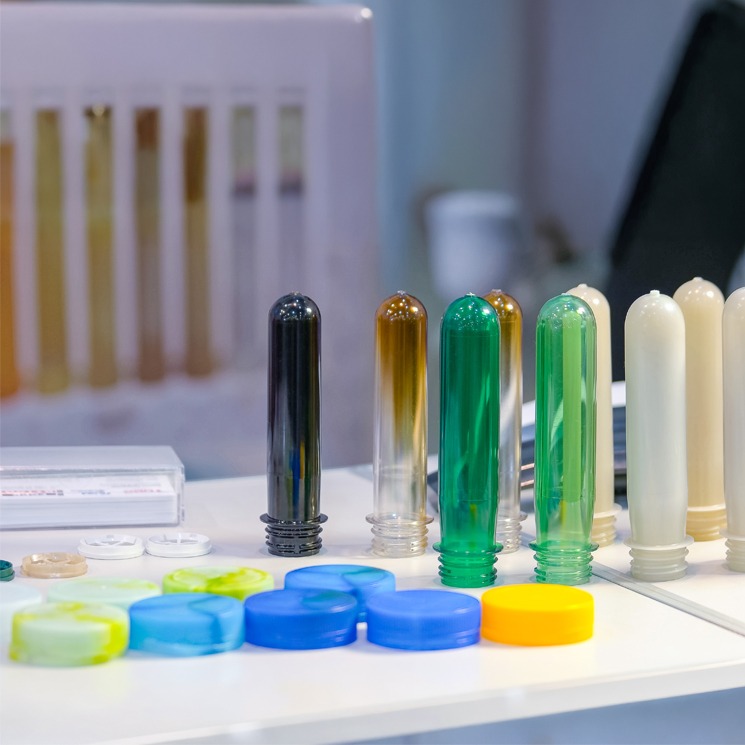
Custom PET preforms are becoming increasingly important as brands look for packaging that delivers more than basic functionality. In sectors such as beverages, edible oils, personal care, pharmaceuticals, and household products, packaging must support product performance, production efficiency, and brand identity at the same time. While standard PET preforms work well for many general applications, they are not always the right fit for businesses with specific technical or commercial requirements.
A PET preform plays a direct role in determining the quality and performance of the final bottle or container. It affects shape, strength, weight, neck finish, clarity, and compatibility with closures and filling lines. When these requirements go beyond what a standard format can offer, custom PET preforms provide a more suitable solution.
What makes a PET preform custom?
A custom PET preform is developed to suit a specific end-use application. This may involve a unique neck size, adjusted weight, custom colour, modified dimensions, or performance features designed for a particular bottle shape or production process. The aim is to create a preform that supports the exact needs of the product and the packaging line.
This approach helps brands avoid the limitations that often come with off-the-shelf formats. Instead of adapting the product to suit standard packaging, the packaging is designed to support the product more effectively.
Why brands choose custom PET preforms?
One of the main reasons brands move towards custom PET preforms is differentiation. In competitive markets, packaging has a direct influence on how a product is perceived. A distinctive bottle shape, improved proportions, or a specific colour tone can help a product stand out and strengthen shelf presence.
Performance is another key factor. A custom preform can improve bottle strength, support better material distribution, and reduce issues during blowing, filling, capping, and transportation. This is especially valuable for brands working with demanding storage, shipping, or high-speed production environments.
Customisation can also support weight optimisation. By refining the preform design, manufacturers can reduce unnecessary material use while maintaining the required strength and performance of the final container. Over large production volumes, this can contribute to both cost efficiency and sustainability goals.
Where standard formats may fall short?
Standard PET preforms are practical for widely used bottle designs and straightforward applications. However, they may be limiting when a brand needs specialised packaging characteristics. This could include a non-standard closure, a premium bottle design, better top-load performance, or packaging that must meet specific filling conditions.
In these cases, a standard preform may create compromises in appearance, efficiency, or functionality. A custom solution gives brands more control over the final outcome and helps ensure the packaging performs as intended throughout the supply chain.
The value of the right development partner
Developing a custom PET preform requires technical understanding, precision tooling, and consistent manufacturing quality. The right partner should be able to assess the application, understand the final bottle requirement, and support the development process from concept to production.
This matters because a well-designed preform can improve long-term packaging consistency and reduce production issues. For growing brands, that reliability becomes even more important as volumes increase and packaging demands become more complex.
Conclusion
Custom PET preforms give brands the flexibility to create packaging that is better aligned with product needs, operational requirements, and market positioning. They help improve bottle performance, support efficient production, and offer greater scope for packaging differentiation. For businesses that need more than a standard format, custom PET preforms are a practical step towards better packaging results.