
In secondary packaging, material choice has a direct impact on product protection, pallet stability, transport efficiency, and overall presentation. Two of the most widely used solutions are stretch wrap and shrink film. While they may appear similar at first glance, they perform very different roles in the packaging process. Understanding how each works helps businesses select the right solution for their products, handling conditions, and supply chain requirements.
What Is Secondary Packaging?
Secondary packaging refers to the outer layer used to group, secure, and protect products that are already packed in their primary packaging. It plays an important role in storage, distribution, retail handling, and transit. Whether the aim is to stabilise cartons on a pallet or create tightly packed multipacks for display, the material used must suit both the product and the logistics environment.
What Is Stretch Wrap?
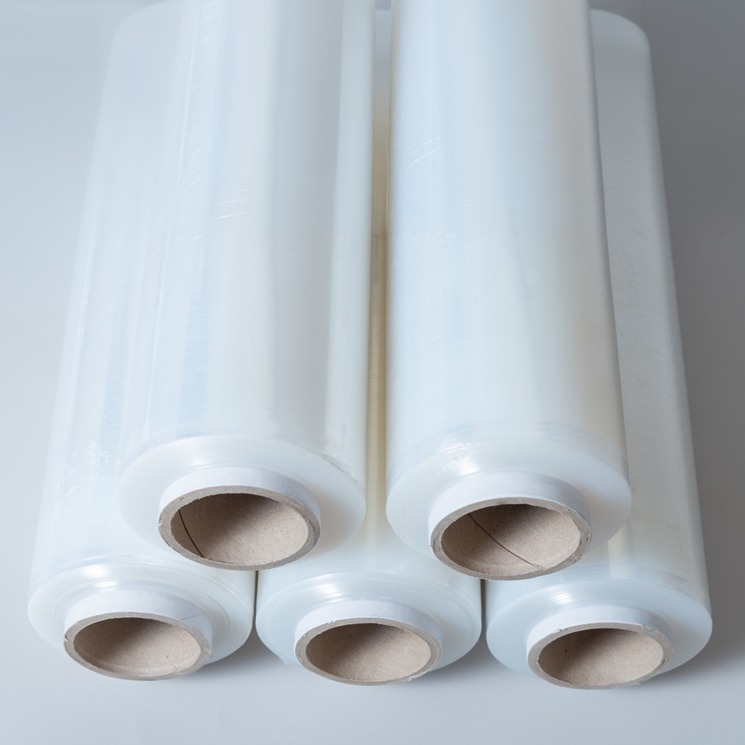
Stretch wrap is a highly elastic plastic film that is stretched around products, usually on pallets, to hold them together securely. It clings tightly through tension, creating load stability without the need for heat. This makes it a practical and efficient option for warehouse and transport operations.
Stretch wrap is commonly used for palletised goods, where the main objective is to prevent shifting during movement and storage. It protects loads from dust, moisture, and minor handling damage while keeping units consolidated throughout the supply chain. Depending on the operation, it can be applied either manually or through automated wrapping systems.
What Is Shrink Film?
Shrink film is a plastic film that is loosely placed around a product or group of products and then exposed to heat. Once heated, the film shrinks tightly around the item, creating a secure and often tamper-evident package. This process produces a neat, form-fitting finish that is widely used in retail and grouped packaging applications.
Shrink film is often used for bundling bottles, cans, cartons, and consumer packs. It offers a clean appearance and can improve shelf presentation while also protecting products from dirt, moisture, and external contact. In many cases, it is chosen where pack appearance matters as much as pack security.
The Core Difference Between Stretch Wrap and Shrink Film
The biggest difference lies in how the two materials are applied and what they are designed to do.
Stretch wrap relies on tension. It stretches around a load and holds it firmly in place through its elastic recovery. It is mainly used for unitising pallet loads and ensuring transport stability.
Shrink film relies on heat. It is placed around the product first and then tightened through controlled heating. It is more commonly used for bundling products together or creating a polished outer wrap for retail and distribution packs.
In simple terms, stretch wrap is generally chosen for load containment, while shrink film is typically selected for pack formation and presentation.
Performance in Logistics and Handling
For warehouse operations and freight movement, stretch wrap is often the preferred solution. It is fast to apply, cost-effective for pallet wrapping, and well suited to high-volume dispatch environments. It also works well when products need to remain stable across long transport distances or multiple handling points.
Shrink film performs strongly in grouped packaging where visual consistency and product bundling are important. It creates a firm, compact wrap around multiple items, which makes it useful for beverage packs, promotional bundles, and retail-ready packaging. However, because it requires heat application, the process setup is different and usually more specialised.
Appearance and Presentation
Shrink film typically offers a cleaner and more tailored appearance. It closely follows the contours of the product or bundle, which can improve the visual quality of the pack. This is one reason it is widely used in customer-facing packaging formats.
Stretch wrap, by contrast, is more functional in appearance. Its value lies in securing and protecting loads during storage and transit rather than creating a retail finish. For most industrial and logistics applications, this practical performance is exactly what is needed.
Cost and Operational Considerations
The choice between stretch wrap and shrink film also depends on equipment, energy use, and packaging objectives. Stretch wrapping usually requires less energy because it does not depend on heat. This can make it more efficient for pallet applications at scale.
Shrink film systems involve heat tunnels or heat guns, which means energy consumption and machine setup must be factored into the packaging line. For businesses focused on bundle integrity and presentation, that added process can still deliver strong value.
The right decision depends on the role the packaging needs to perform. A lower material cost alone should not drive the choice if the packaging does not support safe transport or efficient handling.
Which One Should You Choose?
If the requirement is to secure pallet loads, reduce movement in transit, and improve warehouse handling, stretch wrap is usually the better fit.
If the requirement is to bundle products neatly, improve presentation, or create a tight outer wrap around grouped items, shrink film is often the more suitable option.
The decision should be based on product type, pack configuration, transport conditions, automation level, and end-use expectations. In many supply chains, both materials are used for different stages of the packaging process because each serves a distinct purpose.
Final Thoughts
Stretch wrap and shrink film are both important materials in secondary packaging, but they are not interchangeable. Each offers specific advantages depending on how products need to be grouped, protected, moved, and presented. A clear understanding of their differences helps businesses improve packaging performance, reduce avoidable costs, and maintain product integrity from dispatch to delivery.
Choosing the right secondary packaging solution is not simply a technical decision. It is a practical one that affects operations, efficiency, and the customer experience across the entire supply chain.