
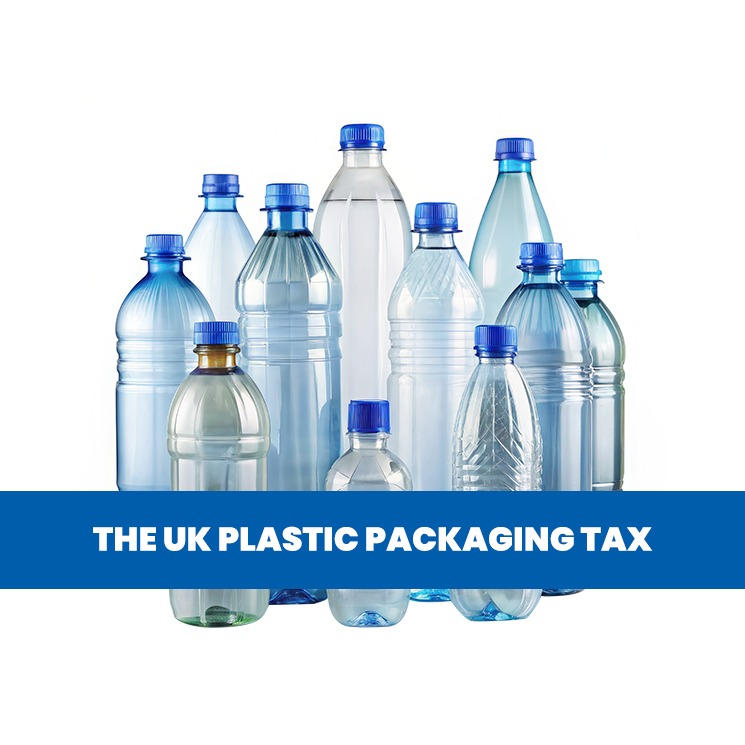
The UK Plastic Packaging Tax (PPT): A Catalyst for Change

The UK’s Plastic Packaging Tax (PPT), introduced in April 2022, has significantly impacted the packaging industry, driving a shift towards more sustainable practices. By imposing a financial penalty on plastic packaging with low recycled content, the government aims to stimulate demand for recycled materials and reduce plastic waste.

Key Provisions of the PPT:

  • Tax Liability: Businesses manufacturing or importing at least 10 tonnes of plastic packaging annually are subject to the tax.
  • Tax Rate: Currently set at £217.85 per tonne (increasing from April 2024), the tax applies to plastic packaging with less than 30% recycled content.
  • Exemptions: Certain types of packaging, such as those used in the healthcare sector, are exempt from the PPT.

Impact on the Packaging Industry:

The PPT has spurred several changes within the industry:

  • Increased Use of Recycled Plastic: Many businesses have increased their use of recycled content to minimize the tax burden.
  • Exploration of Alternatives: Companies are investigating alternative packaging materials, such as paper, cardboard, or biodegradable options, to reduce reliance on plastic.
  • Supply Chain Adjustments: Businesses are working closely with suppliers to source recycled materials and explore opportunities for reducing plastic packaging throughout the supply chain.
  • Innovation and Development: The PPT is driving innovation in packaging design and materials, with a focus on sustainability and circular economy principles.

Challenges and Opportunities

While the PPT has been instrumental in driving change, challenges remain:

  • Availability of Recycled Materials: Ensuring a consistent supply of high-quality recycled materials can be difficult.
  • Cost Implications: The transition to recycled materials or alternative packaging often involves additional costs.
  • Regulatory Complexity: Businesses must navigate complex regulations and reporting requirements.

Despite these challenges, the PPT presents opportunities for businesses to demonstrate their commitment to sustainability, enhance brand reputation, and potentially gain a competitive advantage. By embracing sustainable packaging practices, companies can contribute to a circular economy and reduce their environmental impact.

The Road Ahead

The PPT is an evolving policy, and businesses must stay informed about updates and regulations. As the focus on sustainability intensifies, it is likely that the PPT will be further refined to encourage even greater reductions in plastic waste.

By understanding the PPT’s implications and taking proactive steps, businesses can not only comply with the tax but also position themselves as leaders in sustainable packaging.

Balancing Safety and Sustainability in Pharma Packaging

The pharmaceutical industry faces a critical challenge: ensuring the safety and efficacy of medications while minimizing its environmental impact. This has necessitated meticulous attention to packaging design and material selection, prioritizing materials that provide robust protection against contamination, light, moisture, temperature fluctuations, and physical damage. However, this focus on product protection has often overshadowed the environmental implications of packaging choices.

The Challenge of Traditional Pharma Packaging

Traditional pharma packaging, heavily reliant on plastics and metals, has significant environmental drawbacks. For example, blister packs—common for medications—are often made from non-recyclable plastics that end up in landfills. While essential for protecting individual pills from contamination, these packs contribute to plastic pollution and resource depletion.

The Critical Role (and Often Undervalued) Role of Secondary Packaging

Secondary packaging, which encompasses the outer layer that holds multiple primary packages, plays a crucial role in product protection and supply chain efficiency. It safeguards primary packaging from physical damage, contamination, and environmental factors during transportation, storage, and display. Despite its importance, secondary packaging has often been undervalued in terms of sustainability.

Why Secondary Packaging Matters for Sustainability

Unlike primary packaging, which prioritizes sterility and individual product protection, secondary packaging offers a greater opportunity for sustainable innovation. Because it doesn’t directly contact the medication, we can explore a wider range of materials and design strategies.

Here’s what secondary packaging must achieve from a product safety standpoint:

  • Protection: Shield against physical damage from drops, vibrations, and pressure.
  • Environmental Control: Mitigate exposure to light, moisture, and extreme temperatures.
  • Contamination Prevention: Prevent contamination from external sources like dust, dirt, and microorganisms.
  • Compatibility: Ensure compatibility with the primary packaging to maintain product integrity.

By optimizing secondary packaging for sustainability without compromising product safety, the pharmaceutical industry can make significant strides towards a greener future.

Key Strategies for Sustainable Pharma Packaging

To address the environmental impact of pharmaceutical packaging, industry stakeholders can implement the following strategies:

  • Material Innovation: Exploring and adopting sustainable alternatives to traditional materials, such as recycled plastics (PCR) and bio-based plastics, for both primary and secondary packaging.
  • Design Optimization: Minimizing material usage through efficient packaging design without compromising product protection. Advanced techniques and simulations can help achieve this.
  • Lightweighting: Reducing packaging weight to decrease transportation emissions and resource consumption.
  • Recyclability: Designing packaging that can be easily recycled or reused to divert waste from landfills and promote a circular economy. Mono-materials or easily separable designs are key here.
  • Extended Producer Responsibility (EPR): Implementing EPR programs to encourage packaging recovery and recycling.
  • Life Cycle Assessment (LCA): Conducting comprehensive LCAs to evaluate the environmental impact of packaging throughout its lifecycle. This data informs material selection, design optimization, and process improvement initiatives.

Toward a Sustainable Future for Pharma Packaging

By prioritizing sustainability and collaborating across the supply chain, the pharmaceutical industry can develop innovative packaging solutions that protect both public health and the environment. Chemco is a leader in this movement, and you can learn more about our commitment to sustainable packaging solutions on our website: Chemco Sustainability Initiatives

Paris 2024: A Sustainable Showcase Led by Groundbreaking Initiatives

Paris 2024: A Sustainable Showcase Led by Groundbreaking Initiatives

The Paris 2024 Olympics is a shining example of how a major sporting event can be a catalyst for positive environmental change. By placing sustainability at the forefront, the organizers have demonstrated a remarkable commitment to protecting our planet.

A Gold Standard in Sustainability

Paris 2024 has set a new benchmark for environmentally responsible events. Key sustainability initiatives include:

  • Renewable Energy Revolution: The Games are powered in part by renewable energy sources, reducing carbon emissions significantly. For instance, the Olympic Village is equipped with solar panels to generate clean electricity.
  • Waste Reduction Warriors: The organizers have implemented a comprehensive waste management plan, prioritizing recycling and composting. By diverting waste from landfills and promoting circular economy principles, Paris 2024 is leading the way in sustainable waste management.
  • Sustainable Transport Transformation: Encouraging the use of public transportation, cycling, and walking has reduced traffic congestion and air pollution. The Games have also invested in electric vehicle infrastructure to promote low-carbon transportation.

A Lasting Legacy

Beyond the Games themselves, Paris 2024 is committed to creating a lasting positive impact. By investing in sustainable infrastructure and promoting eco-friendly practices, the organizers aim to inspire future generations.

Want to learn more about incorporating sustainable practices into your daily life or business?

Chemco Group, a leader in rigid packaging solutions, is committed to environmental responsibility. Visit our website https://www.chemcogroup.com/sustainability to explore how we’re developing innovative packaging solutions that minimize environmental impact.

For a deeper dive into the Paris 2024 sustainability initiatives, check out their official website:

Paris 2024- Legacy and sustainability plan

By embracing sustainability, we can all contribute to a healthier planet. Let’s work together to create a world where environmental responsibility is the norm.

India’s Biodegradable Packaging Industry Soars: Projected 7.1% CAGR to Drive Sustainable Growth

India is witnessing a significant shift in its packaging landscape. Driven by environmental concerns and a growing emphasis on sustainability, the country is rapidly transitioning away from single-use plastics towards eco-friendly alternatives. At the forefront of this revolution is the booming biodegradable packaging industry.

Biodegradable Packaging: A Greener Tomorrow

Biodegradable packaging offers a promising solution to the persistent plastic pollution crisis. Unlike traditional plastics that take centuries to decompose, biodegradable materials are designed to break down naturally into harmless substances. This significantly reduces waste accumulation and minimizes environmental damage.

However, it’s essential to differentiate between biodegradable and compostable packaging. All compostable materials are biodegradable, but not vice versa. Compostable packaging safely decomposes in controlled composting environments, enriching the soil.

For maximum effectiveness in tackling plastic pollution, the focus should be on biodegradable packaging that decomposes rapidly and harmlessly without requiring specific conditions.

India’s Biodegradable Packaging Market: Poised for Growth

Fueled by heightened environmental awareness, stricter government regulations on single-use plastics, and a surge in eco-conscious consumerism, India’s biodegradable packaging market is experiencing phenomenal growth. Additionally, the country’s rich agricultural heritage provides a reliable source of raw materials, making biodegradable packaging a cost-effective option.

According to Reports and insights, the domestic market is projected to register a robust Compound Annual Growth Rate (CAGR) of 7.1%. This impressive growth trajectory is expected to propel the market value to a staggering USD 5.4 billion by 2032.

Key Materials and Challenges

Plant-based materials like cornstarch, sugarcane, bamboo, and seaweed are commonly used in biodegradable packaging. Additionally, recyclable paper and cardboard offer sustainable alternatives. While bioplastics hold promise, a critical evaluation of their production processes and environmental impact is crucial.

Despite its promising outlook, the industry faces challenges like standardization, cost competitiveness, and a lack of robust waste management infrastructure. Addressing these hurdles is essential for sustained industry growth.

Building a Sustainable Future

Several key strategies can accelerate the adoption of biodegradable packaging:

  • Government Support: Continued policy measures, incentives, and research funding are necessary.
  • Consumer Awareness: Educating consumers about the benefits and identification of genuine biodegradable products is crucial.
  • Technological Advancements: Investment in research and development of innovative biomaterials and recycling technologies is imperative.
  • Infrastructure Development: Building a robust waste management system with composting facilities is essential for effective waste disposal.

By addressing these areas, India has the potential to become a global leader in sustainable packaging.

Conclusion:

The transition towards biodegradable packaging represents a significant step towards a more sustainable future. By collaborating on these solutions, India can contribute to a cleaner environment for generations to come. Chemco, a leading provider of sustainable solutions, is committed to supporting this transition through innovation and responsible business practices.

Learn more about Chemco’s commitment to sustainability and explore our range of eco-friendly packaging solutions, Chemco Sustainability Initiatives

Managing Carbon Footprint in PET Manufacturing: Strategies for Sustainable Production

Managing Carbon Footprint in PET Manufacturing: Strategies for Sustainable Production

As a leader in PET manufacturing, Chemco Group is committed to minimizing our carbon footprint through innovative strategies and sustainable practices. This technical blog explores key methodologies, including the integration of PCR PET and advanced technologies, to achieve sustainable production and reduce environmental impact.

Understanding Carbon Footprint in PET Manufacturing

In PET manufacturing, carbon footprint refers to the total greenhouse gas emissions generated throughout the production lifecycle. These emissions primarily arise from energy consumption, raw material extraction, transportation, and waste management processes. Addressing these areas is critical for achieving sustainable operations and environmental stewardship.

Key Strategies for Reducing Carbon Footprint

1. Integration of PCR PET

PCR PET (Post-Consumer Recycled Polyethylene Terephthalate) offers significant environmental benefits over traditional virgin PET:

  • Energy Efficiency: Production of PCR PET consumes less energy compared to virgin PET, resulting in lower greenhouse gas emissions during manufacturing.
  • Resource Conservation: By recycling PET products into PCR PET, Chemco Group reduces reliance on virgin materials derived from fossil fuels, conserving natural resources and reducing environmental impact.
  • Emissions Reduction: PCR PET production emits fewer greenhouse gases, including CO2, contributing substantially to our carbon footprint reduction goals.

2. Advanced Technologies for Energy Efficiency

In addition to PCR PET, Chemco Group employs advanced technologies to enhance energy efficiency:

  • Renewable Energy Adoption: Installing solar panels and wind turbines at our facilities reduces reliance on fossil fuels and cuts greenhouse gas emissions associated with energy consumption.
  • IoT and AI Applications: IoT-enabled sensors and AI-driven predictive maintenance optimize energy use by monitoring equipment performance in real-time, identifying efficiency opportunities and minimizing emissions.

3. Sustainable Supply Chain Practices

Collaborating with sustainable suppliers and optimizing transportation logistics are integral to our sustainability efforts:

  • Local Sourcing: Sourcing raw materials locally reduces transportation-related emissions and supports regional economies.
  • Environmental Standards: Partnering with suppliers committed to environmental standards ensures adherence to responsible sourcing practices, further reducing our overall environmental footprint.

4. Waste Management and Circular Economy Initiatives

To maximize resource efficiency and minimize waste, Chemco Group implements circular economy principles:

  • Closed-Loop Recycling: Establishing closed-loop recycling systems for PET and other materials ensures materials are reused, reducing waste generation and emissions from disposal.
  • Waste-to-Energy Technologies: Investing in waste-to-energy technologies converts waste materials into energy, further reducing environmental impact and supporting sustainable operations.

Certifications and Recognition


ISO 14001: Environmental Management Certification

Chemco Group holds ISO 14001 certification, underscoring our commitment to effective environmental management practices. This certification ensures our operations meet stringent environmental performance criteria, including waste reduction, energy efficiency, and emissions management.

Sustainable Initiatives in Action

Example 1: Sustainable Packaging Innovations

Collaborating with a leading beverage brand, Chemco Group transitioned from virgin PET to PCR PET bottles, achieving a 30% reduction in carbon emissions per bottle. This initiative not only reduced environmental impact but also enhanced brand reputation among environmentally conscious consumers.

Example 2: Energy Efficiency in Manufacturing

At our flagship facility, implementing energy-efficient lighting and HVAC systems resulted in a 15% reduction in energy consumption and corresponding CO2 emissions, demonstrating our commitment to operational sustainability.

Example 3: Closed-Loop Recycling Initiative

Partnering with local recycling facilities, Chemco Group established a closed-loop recycling system, diverting over 100 tons of plastic waste annually from landfills and reducing CO2 emissions by 200 metric tons per year.

Conclusion

Managing carbon footprint in PET manufacturing requires a holistic approach integrating sustainable materials, advanced technologies, and responsible practices throughout the supply chain. At Chemco Group, we continue to innovate and lead in sustainable production strategies, driving environmental stewardship and business excellence.
For more information on our sustainable manufacturing initiatives and how we can support your environmental goals, visit our or contact our sustainability experts today.