As the world grapples with the growing environmental challenges of waste, resource depletion, and climate change, the need for sustainable economic models has never been more urgent. Traditional consumption patterns have pushed industries to reassess their approach to resource management, prompting the emergence of new, more responsible systems. Among the most widely discussed models today are the linear, reuse, and circular economies, each representing a distinct approach to material consumption and waste management.
While the linear economy has long been the default model driving industrial production, its inherent inefficiencies and unsustainable practices are increasingly being questioned. The reuse and circular economies, with their focus on extending product life and promoting regenerative systems, offer promising alternatives. But how do these models compare? And what do they mean for businesses striving to meet sustainability goals in an increasingly eco-conscious world?
This blog explores the fundamental differences between the linear, reuse, and circular economies, examining their environmental impact, operational efficiencies, and the critical need for businesses to adapt to more sustainable practices as part of the global drive towards a greener future.
The Linear Economy: The Traditional Take Make Dispose Model
The linear economy, the most traditional model of resource consumption, operates on a simple and familiar system: take, make, dispose. In this model, raw materials are extracted from the earth, products are manufactured, used, and then discarded as waste. Unfortunately, this “throwaway” system has significant long-term consequences, particularly in terms of resource depletion and environmental damage.
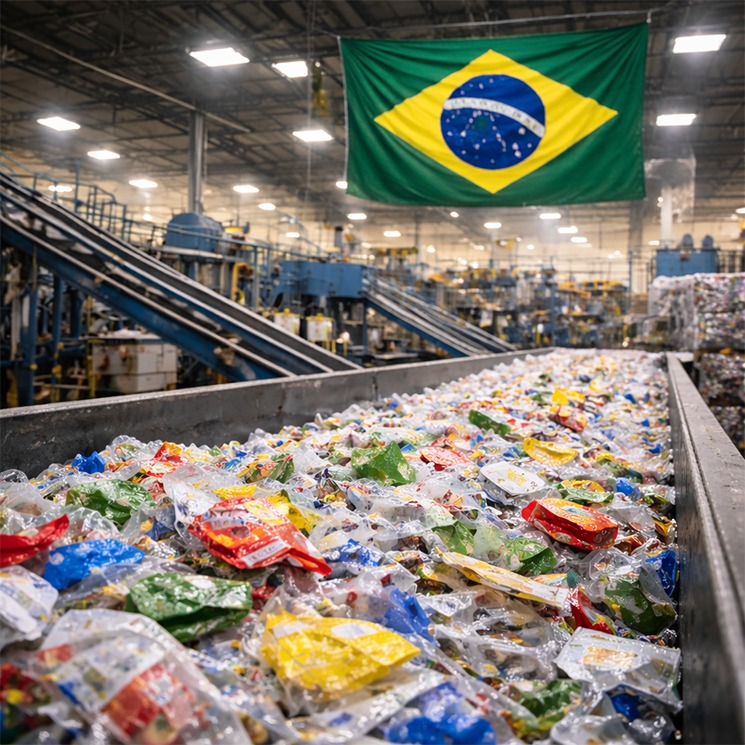
This approach has driven industrial growth for decades, but at the expense of increasing landfills, excessive use of virgin resources, and pollution. There is little consideration of the end-of-life stage for products, and waste management is often an afterthought. Examples of the linear economy abound, including single-use plastics, disposable packaging, and other products that are designed for short-term use and quick disposal.
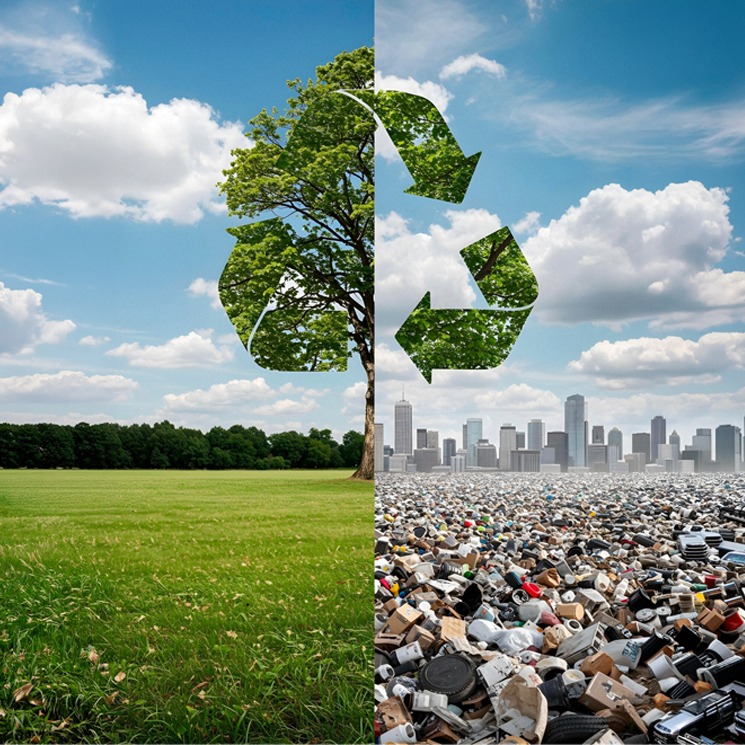
However, the limitations of the linear economy have become evident, and its environmental cost is no longer sustainable in the long run. Rising concerns over plastic pollution, resource scarcity, and climate change highlight the urgent need for a shift in how we manage materials and waste.
The Reuse Economy: Extending Product Lifecycles
The reuse economy offers an improvement over the linear model by focusing on extending the lifespan of products through durability, repairability, and multiple-use applications. Instead of products being discarded after their first use, this model encourages their repair, refurbishment, and reuse.
A clear example of this economy can be seen in the use of returnable glass bottles, refurbished electronics, and repurposed textiles. These initiatives help reduce the volume of waste sent to landfills and lower the demand for raw materials, making the reuse economy a more sustainable alternative to the linear model.
However, while the reuse economy offers substantial benefits, it is not without challenges. To maximise its impact, better infrastructure for repair, refurbishment, and collection is needed, along with greater consumer participation. Yet, even with these hurdles, the reuse model provides a significant reduction in waste compared to traditional linear systems.
The Circular Economy: Closing the Loop
The circular economy is the gold standard for sustainable resource management, offering the most comprehensive solution to the problems caused by the linear economy. Unlike the linear model, which ends in waste, the circular economy closes the loop by ensuring that products and materials are continually recycled, recovered, and reintegrated into production cycles.
In a circular system, the focus shifts from simply consuming and disposing of materials to designing products with their entire lifecycle in mind. Materials are continuously circulated through the economy, reducing waste and minimising the need for new resources. This approach also promotes regenerative practices, ensuring that the resources in use are returned to the ecosystem or used in new product development.
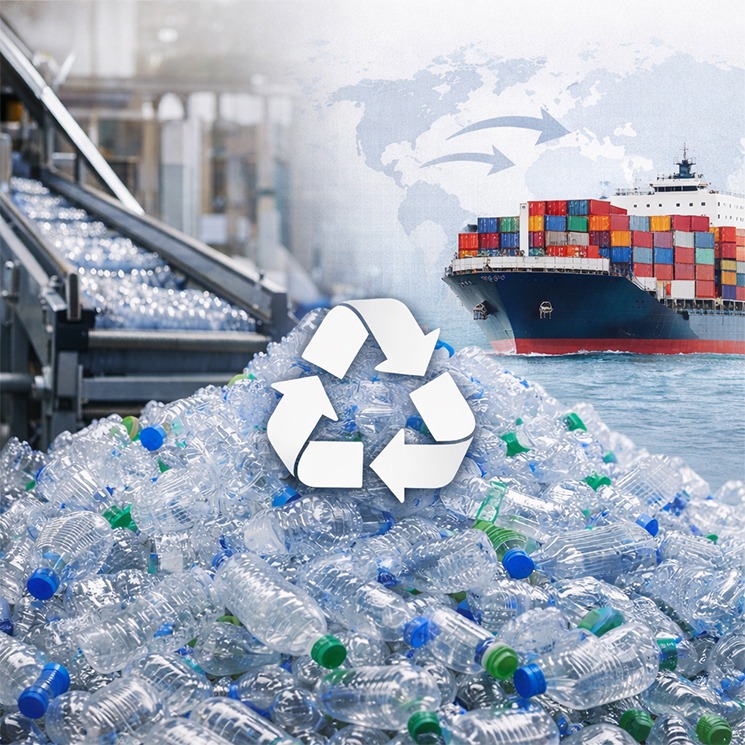
High-performance rPET (recycled polyethylene terephthalate) packaging, advanced polymer recycling, and sustainable materials innovation are examples of how the circular economy is taking shape. By designing products for disassembly and recycling, circularity ensures that waste is kept to a minimum and that materials remain in use for as long as possible.
Transitioning to a Circular Economy: Why It’s Imperative
The transition from a linear economy to a circular model is no longer optional; it is essential for businesses that wish to remain competitive and sustainable. With increasing global regulatory mandates, such as Extended Producer Responsibility (EPR) frameworks, and growing consumer demand for eco-friendly products, industries are under increasing pressure to adopt circular principles.
By embracing circularity, businesses can reduce waste, lower resource consumption, and improve efficiency. Furthermore, circular business models can drive innovation, open up new revenue streams through recycling and repurposing materials, and ultimately contribute to long-term profitability. Companies that adopt circular practices will be better positioned to meet regulatory targets, appeal to conscious consumers, and stay ahead of environmental challenges.
The future of manufacturing, packaging, and resource management lies in creating closed-loop systems where waste is minimised, and resources are continuously reused. Embracing the circular economy isn’t just a step towards sustainability; it’s a vital strategy for future-proofing businesses in a rapidly evolving world.
Conclusion
As the world continues to face escalating environmental challenges, transitioning from the linear to the circular economy is no longer a choice but a necessity. The circular economy offers the most sustainable solution by closing the loop on material use, reducing waste, and minimising environmental impact. For businesses, embracing circularity means not only enhancing sustainability efforts but also unlocking new opportunities for innovation, efficiency, and profitability.
By adopting circular practices, companies and consumers alike can play a crucial role in building a more sustainable, responsible, and prosperous future. The time for change is now, and the circular economy is leading the way.