What Consumers Notice First in Packaging: Shape, Colour, Label, or Closure?

When consumers stand in front of a retail shelf, they are often presented with dozens of similar products competing for their attention.

In many cases, purchase decisions begin long before a consumer reads the product description or compares features. Packaging creates the first impression, influencing how a product is perceived within seconds.

For brands, this raises an important question: What do consumers actually notice first? Is it the shape of the package, its colour, the label design, or even the closure?

While the answer can vary depending on the product category and shopping environment, each packaging element plays a unique role in attracting attention and shaping consumer perception.

The First Few Seconds Matter

Shoppers often make quick decisions in busy retail environments. Before evaluating ingredients, functionality, or price, they respond to visual cues that help them identify products and compare options.

Packaging is one of the most influential of these cues.

Shape, colour, labels, and closures work together to create a product’s visual identity, but they do not all attract attention in the same way.

Shape: Often the First Visual Cue

The shape of a package is frequently one of the first elements consumers notice.

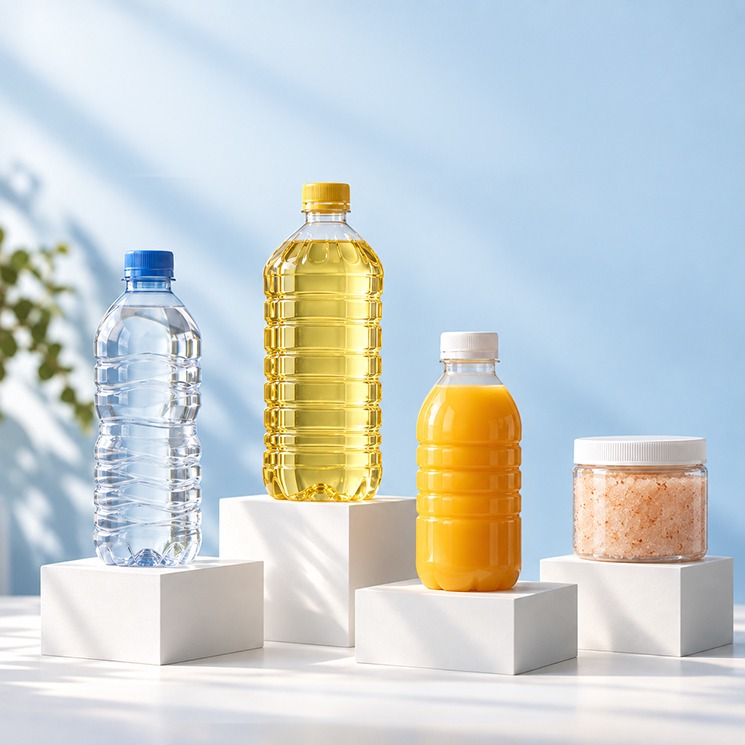
Unlike graphics or text, shape can be recognised from a distance. A unique bottle silhouette, distinctive jar profile, or recognisable container structure can help a product stand out even before consumers can read the label.

This is one reason many brands invest in custom packaging designs. A distinctive shape can support brand recognition and improve shelf visibility.

Shape can also influence perceptions of:

* Product quality
* Premium positioning
* Ease of use
* Product category recognition

In crowded categories, packaging shape often becomes the foundation of differentiation.

Colour: Capturing Attention Quickly

Once a product attracts attention through its shape, colour often becomes the next major influence.

Colour helps consumers navigate shelves and creates associations with particular product types or brand identities.

For example:

* Green is often associated with natural or wellness-focused products.
* Blue is commonly linked with freshness and hydration.
* Black is frequently used to communicate a premium look.
* Bright colours are often used to create energy and visibility.

Consistent colour usage can also strengthen brand recognition across product ranges.

The Role of Labels

While shape and colour may attract attention, labels often provide the information consumers need before making a purchase decision.

Labels communicate:

* Brand identity
* Product benefits
* Ingredients
* Usage information
* Regulatory requirements

An effective label balances visual appeal with clarity. Too much information can overwhelm consumers, while too little may leave important questions unanswered.

As transparency becomes increasingly important, labels continue to play a significant role in building consumer confidence.

Why Closures Matter More Than Many Brands Realise

Closures may not always be the first element consumers notice, but they contribute significantly to the overall product experience.

Consumers often associate closures with:

* Product quality
* Ease of use
* Freshness
* Convenience
* Reusability

In categories such as beverages, food, personal care, and home care products, closure selection can directly influence how consumers interact with a product throughout its lifecycle.

A well-designed closure supports functionality while complementing the overall packaging design.

Do Consumers Notice One Element More Than Others?

Rather than focusing on a single packaging feature, consumers generally respond to a combination of visual and functional elements.

In many cases:

Shape attracts attention.
Colour creates recognition.
Labels provide information and reassurance.
Closures influence usability and product experience.

The relative importance of each element depends on the product category, consumer expectations, and retail environment.

For example, a premium beverage may rely heavily on bottle shape and colour, while a nutritional supplement may depend more on label clarity and information.

What This Means for Brands

Packaging should not be viewed as a collection of individual components.

Shape, colour, labels, and closures work together to create a complete consumer experience. Decisions made during packaging development can influence shelf appeal, perceptions of quality, convenience, and overall brand value.

For brands launching new products or refreshing existing packaging, considering how these elements interact can help create a stronger market presence.

Looking Beyond Shelf Appeal

Modern packaging must balance visual impact with functionality, sustainability, and consumer convenience.

The most effective packaging solutions are often those that successfully combine all of these factors rather than focusing on a single design element.

Understanding how consumers interact with packaging can help brands make more informed packaging decisions while creating products that stand out in competitive markets.

Conclusion

When consumers encounter a product for the first time, packaging often shapes their perception long before they experience the product itself.

Shape, colour, labels, and closures each play a role in attracting attention, communicating value, and influencing purchasing decisions. While shape and colour may create the first impression, labels and closures help deliver the information and functionality consumers expect.

Successful packaging is rarely about a single element. It is about creating a packaging system where design, functionality, and consumer experience work together to support product success.

Why Wide-Mouth PET Jars Are Becoming a Popular Choice for Food Packaging

Packaging requirements across the food industry continue to evolve as brands balance product protection, consumer convenience, operational efficiency, and sustainability objectives.
While there is no single packaging solution that fits every application, wide-mouth PET jars have become increasingly common across a variety of food categories. From peanut butter and dry fruits to confectionery, protein powders, and nutritional products, many brands are adopting wide-mouth formats to address both manufacturing and consumer needs.

So, what is driving this growing adoption?

Understanding Wide-Mouth PET Jars

Wide-mouth PET jars feature a larger opening compared to conventional bottles and narrow-neck containers. This design provides easier access to the product while supporting efficient filling and handling during production.

Combined with the benefits of PET, including transparency, durability, and lightweight performance, wide-mouth jars offer a packaging format that can serve a wide range of food applications.

Available in multiple capacities, shapes, and neck finishes, they can be adapted to suit different product requirements and packaging strategies.

Why Food Brands Are Choosing Wide-Mouth PET Jars

Supporting Efficient Filling Operations

Packaging design can have a direct impact on manufacturing efficiency.
Products such as peanut butter, trail mixes, dry fruits, protein powders, seeds, and confectionery items can be easier to fill into containers with larger openings. Wide-mouth jars help simplify the filling process by providing greater access during packaging operations.

For manufacturers, selecting a packaging format that aligns with filling requirements can contribute to smoother production workflows and improved operational consistency.

Enhancing Consumer Convenience

Consumer expectations increasingly extend beyond the product itself to the overall user experience.
Wide-mouth jars make it easier to access, scoop, pour, or retrieve contents throughout the life of the product. This can be particularly useful for products that are consumed repeatedly over an extended period, such as protein powders, spreads, dry fruits, and nutritional supplements.

Convenience remains an important consideration for brands seeking to improve everyday product usability.

Improving Product Visibility

In many food categories, consumers prefer packaging that allows them to view the product before purchase.
PET offers excellent clarity, enabling brands to showcase the appearance of their products directly on the shelf. Whether it is premium nuts, colourful confectionery, nutritional powders, or specialty food products, transparency can help communicate product quality and freshness.

For brands, clear packaging can also contribute to stronger shelf presence and product differentiation.

Flexibility Across Multiple Food Categories

One reason wide-mouth PET jars continue to gain popularity is their versatility.

They are commonly used across a broad range of applications, including:

* Peanut butter and spreads
* Dry fruits and nuts
* Confectionery products
* Protein powders
* Nutritional supplements
* Seeds and snack mixes
* Beverage powders
* Pet food and treats

This flexibility allows brands to utilize similar packaging formats across multiple product lines while maintaining functionality and visual consistency.

Evaluating Packaging Format Options

Food brands often evaluate several packaging formats before selecting a final solution.

Glass jars offer a premium appearance and strong product visibility but may increase transportation weight and require additional handling considerations.

Flexible packaging formats can support material reduction goals but may not always offer the same level of product visibility, rigidity, or ease of access depending on the application.

Wide-mouth PET jars provide a combination of durability, transparency, lightweight performance, and consumer convenience, making them a practical option for many food products.

Sustainability Considerations

Sustainability continues to influence packaging decisions across the food industry.
PET packaging is lightweight and widely recyclable in established recycling streams. Many brands are also exploring the use of recycled PET (rPET) as part of broader circular economy initiatives and sustainability strategies.

While packaging requirements vary by product and market, solutions that balance functionality, recyclability, and operational performance are becoming increasingly important.

Sustainability Considerations

Sustainability continues to influence packaging decisions across the food industry.
PET packaging is lightweight and widely recyclable in established recycling streams. Many brands are also exploring the use of recycled PET (rPET) as part of broader circular economy initiatives and sustainability strategies.

While packaging requirements vary by product and market, solutions that balance functionality, recyclability, and operational performance are becoming increasingly important.

Factors to Consider When Selecting a Wide-Mouth PET Jar

Choosing the right packaging format requires evaluating the specific needs of the product and supply chain.

Key considerations may include:

* Product characteristics
* Filling process requirements
* Jar capacity and dimensions
* Closure compatibility
* Labeling and decoration needs
* Transportation and storage conditions
* Sustainability objectives

Early collaboration between brands and packaging partners can help ensure packaging decisions support both operational and commercial goals.

Looking Ahead

Food packaging continues to evolve alongside changing consumer expectations, manufacturing requirements, and sustainability priorities.
Wide-mouth PET jars are increasingly being used across food categories because they offer a practical balance of accessibility, product visibility, durability, and operational efficiency.

As brands continue to evaluate packaging solutions that support both product performance and consumer convenience, wide-mouth PET jars are likely to remain an important packaging format across a variety of applications.

Conclusion

The growing use of wide-mouth PET jars reflects broader trends within the food packaging industry, including the need for convenience, functionality, and efficient product delivery.

From dry fruits and spreads to nutritional products and confectionery, wide-mouth PET jars offer a versatile packaging solution that can support a range of product and market requirements.

As packaging strategies continue to evolve, selecting the right format remains an important part of delivering product quality, operational efficiency, and a positive consumer experience.

Refill and Reuse Packaging: Can Circular Models Scale Beyond Niche Markets?

Sustainability Is Reshaping Packaging

Sustainability is reshaping how brands think about packaging. While recyclable materials and recycled content often dominate the conversation, refill and reuse models are gaining renewed attention as companies look for ways to reduce packaging waste and support circular economy goals.

From detergent refill pouches and sauce refill packs to returnable beverage bottles, brands across industries are exploring packaging systems that extend the life of packaging rather than replacing it after a single use.

But can refill and reuse models move beyond niche applications and become a scalable solution for mainstream markets?

Why Refill and Reuse Are Back in Focus

The idea isn’t new. Returnable glass bottles, reusable transport packaging, and refill packs have existed for decades.

What has changed is the growing focus on resource efficiency, packaging reduction, and circular economy initiatives. Businesses are increasingly evaluating how packaging can remain in use for longer while maintaining product performance, consumer convenience, and operational efficiency.

Refill and reuse systems offer one pathway toward achieving these goals by reducing the need for new packaging materials and maximizing the value of existing packaging assets.

Where Refill Models Are Already Working

Several product categories have successfully adopted refill-oriented packaging formats.

Home Care Products

Products such as liquid detergents, fabric conditioners, dishwashing liquids, and floor cleaners are commonly available in refill pouches. These formats allow consumers to reuse existing bottles while reducing the amount of packaging material required for repeat purchases.

Personal Care Products

The personal care industry has also embraced refill solutions. Brands have introduced refill formats for selected products, including hand wash, body wash, shampoo, and skincare applications.

Food & Condiments

Products such as ketchup, mayonnaise, sauces, and edible oils are increasingly available in flexible refill packs. In India, brands like Veeba have popularized pouch formats that allow consumers to replenish existing containers while using less packaging material compared to purchasing a new rigid bottle each time.

These examples demonstrate how refill formats can be integrated into everyday consumer purchasing habits without requiring significant changes in product usage.

The Power of Reuse Systems

While refill packs focus on retaining the primary container, reuse systems are designed around packaging that can be collected, cleaned, and used again.

One of the most established examples comes from the beverage industry. Returnable glass and PET bottle systems operate across several markets, supported by collection and return infrastructure. These bottles are collected, inspected, cleaned, refilled, and returned to circulation multiple times before being recycled.

Reusable transport packaging also plays an important role across industrial supply chains. Crates, pallets, drums, and Intermediate Bulk Containers (IBCs) are routinely reused because they offer operational and economic advantages when managed effectively.

These examples highlight an important reality: reuse systems can achieve scale when supported by the right infrastructure, logistics, and stakeholder participation.

What Is Preventing Wider Adoption?

Despite their potential, refill and reuse models are not suitable for every product category or market.

Consumer Convenience

Refill and reuse programs often depend on consumer participation. If the process is perceived as inconvenient, adoption rates may be limited.

Reverse Logistics

Reuse systems require packaging to be collected, transported, inspected, and reintroduced into circulation. Building and maintaining this infrastructure can be challenging.

Product Requirements

Certain products have specific hygiene, safety, shelf-life, or regulatory requirements that may limit the practicality of refill or reuse systems.

Economic Viability

Businesses must balance sustainability goals with operational realities. The long-term success of refill and reuse systems depends on whether they can deliver environmental benefits while remaining commercially viable.

Can Refill and Reuse Scale?

The answer depends largely on the product category, geography, and supply chain structure.

Refill formats have already achieved significant adoption in home care, personal care, and selected food categories because they fit naturally into existing consumer behavior and retail environments.

Reuse systems have also demonstrated success in sectors such as beverages and industrial packaging, where collection and return infrastructure can be effectively managed.

However, refill and reuse are unlikely to be a universal solution for every packaging application. Different products will require different approaches based on performance requirements, consumer expectations, logistics, and sustainability objectives.

Rather than replacing all other packaging formats, refill and reuse models are likely to become part of a broader packaging strategy that also includes recyclability, recycled content integration, lightweighting, and material innovation.

Looking Beyond a Single Solution

The packaging industry’s sustainability journey is not about finding one perfect solution.

Refill systems, reusable packaging, recyclable materials, and recycled-content packaging each address different challenges and opportunities. The most effective strategy often involves selecting the right packaging solution for the specific product, market, and supply chain.

As brands continue to evaluate ways to reduce environmental impact, refill and reuse models will remain an important part of the broader conversation around circular packaging systems.

Conclusion

Refill and reuse models are no longer limited to niche sustainability initiatives. From detergent refill pouches and sauce refills to returnable beverage bottles and reusable industrial packaging, businesses are exploring practical ways to keep packaging in use for longer and reduce material consumption.

While challenges remain, growing adoption across multiple industries suggests that refill and reuse can play a meaningful role in the future of packaging when supported by thoughtful design, operational efficiency, and consumer engagement.

The future of packaging is unlikely to be defined by a single approach. Instead, it will be shaped by a combination of refill, reuse, recycling, and innovation working together to support more sustainable packaging systems.

Exploring Circular Packaging Solutions?

As sustainability goals evolve, businesses need packaging solutions that balance performance, operational efficiency, recyclability, and changing consumer expectations.

At Chemco, we work with brands across food, beverage, personal care, home care, and industrial sectors to develop packaging solutions that support both product performance and circular economy objectives.

Whether you’re evaluating refill packs, reusable packaging systems, lightweight packaging designs, or recyclable packaging formats, our team can help identify the right solution for your application.

Connect with Chemco’s packaging experts to discuss your next packaging innovation.

Hot Fill vs. Cold Fill Packaging: What Brands Need to Know Before Choosing a Bottle Design

When developing a new beverage, most discussions revolve around formulation, flavour, branding, and shelf appeal. However, one decision that can significantly influence product quality, shelf life, and packaging performance is the filling process itself.

Whether a beverage is hot filled or cold filled affects much more than production. It influences bottle design, closure selection, packaging performance, and the overall requirements of the packaging system.

For beverage brands, understanding the differences between these two filling methods is an important step in selecting the right packaging solution for their product.

Understanding Hot Fill and Cold Fill Packaging

The primary difference between hot fill and cold fill packaging lies in the temperature at which the product is filled into the container.

Hot Fill Packaging
In a hot fill process, the product is heated before filling and is typically introduced into the container at elevated temperatures. The heat treatment helps reduce microbial activity and supports product preservation.

Hot fill packaging is commonly used for:

  • Fruit juices
  • Juice drinks
  • Ready-to-drink teas
  • Sports and functional beverages
  • Certain sauces and liquid food applications

Once the product is filled and sealed, it gradually cools inside the package. This cooling process creates packaging design considerations that must be addressed during bottle development.

Cold Fill Packaging
In a cold fill process, the product is filled at ambient or chilled temperatures.

Cold fill packaging is widely used for:

  • Bottled water
  • Carbonated soft drinks
  • Energy drinks
  • Certain dairy and plant-based beverages
  • Aseptically processed beverages

Because the package is not exposed to the same thermal conditions as hot-fill applications, the packaging requirements are often different.

Hot Fill vs. Cold Fill: Key Differences

Hot Fill Packaging

  • Product is filled at elevated temperatures
  • Commonly used for juices, teas, functional beverages, and selected liquid food products
  • Packaging must withstand thermal stress and vacuum forces created during cooling
  • Bottle and closure design are critical for maintaining package integrity
  • Often used for products intended for ambient storage

Cold Fill Packaging

  • Product is filled at ambient or chilled temperatures
  • Commonly used for bottled water, carbonated beverages, energy drinks, and aseptic products
  • Packaging design focuses on product protection, pressure management, and material optimization
  • Standard closure systems are commonly used depending on product requirements
  • Shelf-life performance depends on formulation, processing method, and storage conditions

How the Filling Process Influences Bottle Design

The filling process directly affects how a bottle performs during production, transportation, storage, and consumer use.

Bottle Design for Hot Fill Applications
As a hot-filled product cools after sealing, the liquid and headspace inside the package contract, creating a vacuum within the bottle.

To accommodate these conditions, bottles intended for hot-fill applications may incorporate:

  • Heat-resistant bottle designs
  • Reinforced material distribution
  • Vacuum panels or vacuum-absorbing design features
  • Closure systems developed specifically for hot-fill conditions

These features help maintain the bottle’s appearance and performance throughout its intended shelf life.

Bottle Design for Cold Fill Applications

Cold-fill bottles do not experience the same temperature-related stresses during filling.

Depending on the product category, packaging design may focus on:

  • Lightweighting opportunities
  • Carbonation retention
  • Product protection
  • Transportation performance
  • Material efficiency

For carbonated beverages, bottle design must also accommodate the internal pressure generated by dissolved carbon dioxide.

PET: A Versatile Material for Beverage Packaging

PET continues to be one of the most widely used materials in beverage packaging due to its combination of strength, clarity, durability, and lightweight properties.

Depending on the application, PET bottles can be engineered to meet the performance requirements of both hot-fill and cold-fill products. This versatility has made PET a preferred packaging material across a wide range of beverage categories, from bottled water and soft drinks to juices and functional beverages.

In addition to its performance benefits, PET is also recyclable and plays an important role in advancing circular packaging initiatives across the industry.

Why the Bottle Neck Matters More Than You Think

When discussing bottle design, attention is often focused on the body of the package. However, the neck finish is equally important to overall packaging performance.

The neck finish must be compatible with the closure system, filling process, and product requirements.

For many cold-fill applications, standard continuous-thread neck finishes provide reliable sealing performance.

Hot-fill applications may require neck finishes and closure systems specifically designed to accommodate filling and cooling conditions. In some cases, manufacturers utilize vented neck finishes or other engineered closure solutions that help manage steam release and pressure changes during the capping process.

Although consumers rarely notice these design features, they contribute significantly to package integrity, seal performance, and product quality.

Factors to Consider When Selecting a Filling Process

The decision between hot fill and cold fill should be based on a combination of product, processing, and packaging requirements.

Key Considerations

  • Product formulation
  • Acidity levels
  • Shelf-life expectations
  • Distribution and storage conditions
  • Production capabilities
  • Packaging design requirements
  • Sustainability objectives

A packaging solution that works well for a carbonated beverage may not be suitable for a hot-filled juice product. Evaluating these requirements early in the development process can help prevent packaging challenges later on.

Conclusion

Hot fill and cold fill packaging each offer unique advantages, and the right choice depends on the specific needs of the product.

The filling process influences everything from bottle design and closure compatibility to shelf life and packaging performance. Understanding these requirements early allows brands to develop packaging solutions that support product quality, operational efficiency, and consumer expectations.

As beverage innovation continues to evolve, selecting the appropriate packaging system remains an important part of bringing successful products to market.

Looking for the Right Beverage Packaging Solution?

Choosing between hot fill and cold fill packaging is only one part of the packaging development process. Bottle design, closure compatibility, product requirements, and manufacturing conditions all play a role in determining the most effective solution.

At Chemco, we offer packaging solutions for a wide range of beverage applications, including both hot-fill and cold-fill products. Our team works closely with brands to understand their requirements and recommend packaging solutions that align with performance, production, and market goals.

Get in touch with our team to discuss your beverage packaging requirements and discover the right solution for your next product launch.

Scaling rPET Packaging in India: Realities, Roadblocks, and the Way Forward

India’s packaging sector is in the middle of a massive regulatory shift. Across FMCG, beverages, pharmaceuticals, and personal care, the conversation has moved rapidly from whether we should use rPET (Recycled Polyethylene Terephthalate) to how fast we can source it at scale.

This isn’t just about corporate goodwill anymore. Brand owners are facing hard deadlines from evolving regulatory mandates and shifting consumer expectations. But while the market potential for rPET in India is enormous, scaling up means confronting some very real operational challenges on the ground.

What is Fast-Tracking the Shift to rPET?

  • Strict EPR Enforcement: India’s Extended Producer Responsibility (EPR) guidelines now carry strict enforcement penalties. The phased mandates for incorporating Post-Consumer Recycled (PCR) content are putting immediate pressure on procurement teams.
  • Regulatory Clearance for Food Contact: By permitting the use of rPET in food and beverage packaging, the FSSAI has unlocked mass-market adoption for the highest-volume consumer segments.
  • International Sustainability Commitments: Global FMCG companies are bound by international sustainability timelines, establishing rPET integration as a core operational baseline for their Indian supply chains.

The Operational Reality: Challenges in Scaling rPET

Transitioning from virgin resin to rPET is far from a simple swap. Brands attempting to scale its usage face three distinct structural hurdles on the factory floor and in the supply chain:

1. The Raw Material Collection Gap
While India’s informal kabadiwala network achieves remarkably high collection rates for PET bottles, the supply chain remains highly fragmented. The primary issue is a lack of source segregation, which leads to severe material contamination. Securing a clean, traceable stream of post-consumer scrap—essential for producing food-grade resin—remains an ongoing challenge for the industry.

2. Physical Quality and Consistency Variances
Unlike virgin PET, which offers absolute uniformity, the physical properties of rPET vary depending on the quality of the incoming feedstock.

This introduces specific operational challenges across three main areas:

  • Food-Grade Purity: Brands must eliminate trace contaminants at the molecular level to consistently satisfy strict FSSAI chemical migration limits and ensure product safety.
  • Process Stability: Manufacturers have to manage sudden drops in Intrinsic Viscosity (IV)—a common issue with recycled resin—which can cause structural defects or bottle failures on high-speed blowing lines.
  • Aesthetic Control: Production teams must find ways to overcome the subtle yellow or grey tint inherent to recycled feedstock to safeguard exact brand color and clarity standards.

3. The Price Premium
High-quality, food-grade rPET often commands a higher price than virgin PET alternatives. Advanced washing, sorting, and decontamination systems require substantial capital investment, and the domestic supply of certified feedstock is highly competitive. For margin-sensitive brands, this cost difference creates real commercial pressure.

Where the Opportunities Lie: Practical Innovation

To bridge the gap between what regulations demand and what the supply chain can currently deliver, the industry is focusing on smart manufacturing:

  • Advanced Optical Sorting: Deploying Near-Infrared (NIR) and AI-assisted sorting systems at the recycling stage to separate food-grade bottles from non-food packaging before processing.
  • Super-Clean Decontamination: Utilizing FSSC 22000-compliant and EFSA/FDA-approved decontamination reactors to ensure the final rPET resin performs as close to virgin plastic as possible.
  • Connecting the Value Chain: No single company can fix the rPET supply chain in isolation. True circularity requires a direct link between brand owners, waste management networks, recyclers, and converters like Chemco Group. By building closer partnerships, we can stabilize the quality of input materials and bring down overall processing costs.

Bottom Line: Moving Forward Safely

The transition to rPET in India is no longer an experiment—it is a core business operational reality. While infrastructure gaps and pricing pressures are real challenges today, the regulatory trajectory makes waiting a risky strategy. Brands that figure out their rPET supply chain now will be the ones holding a competitive edge as enforcement tightens.

The Chemco Approach

At Chemco Group, we help brands balance sustainability targets with factory floor realities. We combine material science with advanced processing to deliver rPET and custom blend solutions that protect your structural integrity, ensure food safety, and run smoothly on high-speed production lines.

Looking to transition your packaging portfolio safely? Talk to the Chemco Group team today to discuss compliance-ready, high-performance rPET solutions tailored to your production lines.

1 2 3 7