Decoding the Three Economies: Linear, Reuse, and Circular

As the world grapples with the growing environmental challenges of waste, resource depletion, and climate change, the need for sustainable economic models has never been more urgent. Traditional consumption patterns have pushed industries to reassess their approach to resource management, prompting the emergence of new, more responsible systems. Among the most widely discussed models today are the linear, reuse, and circular economies, each representing a distinct approach to material consumption and waste management.

While the linear economy has long been the default model driving industrial production, its inherent inefficiencies and unsustainable practices are increasingly being questioned. The reuse and circular economies, with their focus on extending product life and promoting regenerative systems, offer promising alternatives. But how do these models compare? And what do they mean for businesses striving to meet sustainability goals in an increasingly eco-conscious world?

This blog explores the fundamental differences between the linear, reuse, and circular economies, examining their environmental impact, operational efficiencies, and the critical need for businesses to adapt to more sustainable practices as part of the global drive towards a greener future.

The Linear Economy: The Traditional Take Make Dispose Model

The linear economy, the most traditional model of resource consumption, operates on a simple and familiar system: take, make, dispose. In this model, raw materials are extracted from the earth, products are manufactured, used, and then discarded as waste. Unfortunately, this “throwaway” system has significant long-term consequences, particularly in terms of resource depletion and environmental damage.

This approach has driven industrial growth for decades, but at the expense of increasing landfills, excessive use of virgin resources, and pollution. There is little consideration of the end-of-life stage for products, and waste management is often an afterthought. Examples of the linear economy abound, including single-use plastics, disposable packaging, and other products that are designed for short-term use and quick disposal.

However, the limitations of the linear economy have become evident, and its environmental cost is no longer sustainable in the long run. Rising concerns over plastic pollution, resource scarcity, and climate change highlight the urgent need for a shift in how we manage materials and waste.

The Reuse Economy: Extending Product Lifecycles

The reuse economy offers an improvement over the linear model by focusing on extending the lifespan of products through durability, repairability, and multiple-use applications. Instead of products being discarded after their first use, this model encourages their repair, refurbishment, and reuse.

A clear example of this economy can be seen in the use of returnable glass bottles, refurbished electronics, and repurposed textiles. These initiatives help reduce the volume of waste sent to landfills and lower the demand for raw materials, making the reuse economy a more sustainable alternative to the linear model.

However, while the reuse economy offers substantial benefits, it is not without challenges. To maximise its impact, better infrastructure for repair, refurbishment, and collection is needed, along with greater consumer participation. Yet, even with these hurdles, the reuse model provides a significant reduction in waste compared to traditional linear systems.

The Circular Economy: Closing the Loop

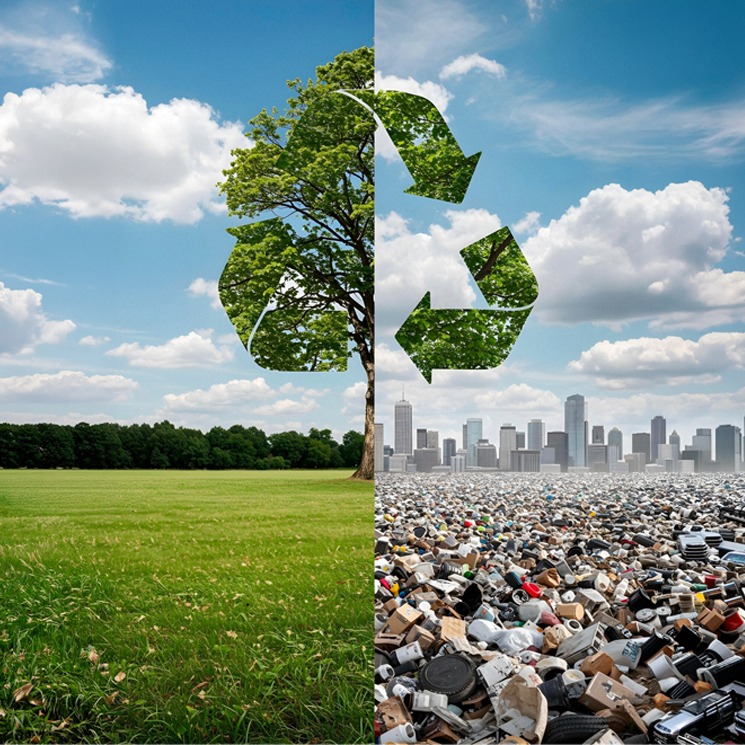
The circular economy is the gold standard for sustainable resource management, offering the most comprehensive solution to the problems caused by the linear economy. Unlike the linear model, which ends in waste, the circular economy closes the loop by ensuring that products and materials are continually recycled, recovered, and reintegrated into production cycles.

In a circular system, the focus shifts from simply consuming and disposing of materials to designing products with their entire lifecycle in mind. Materials are continuously circulated through the economy, reducing waste and minimising the need for new resources. This approach also promotes regenerative practices, ensuring that the resources in use are returned to the ecosystem or used in new product development.

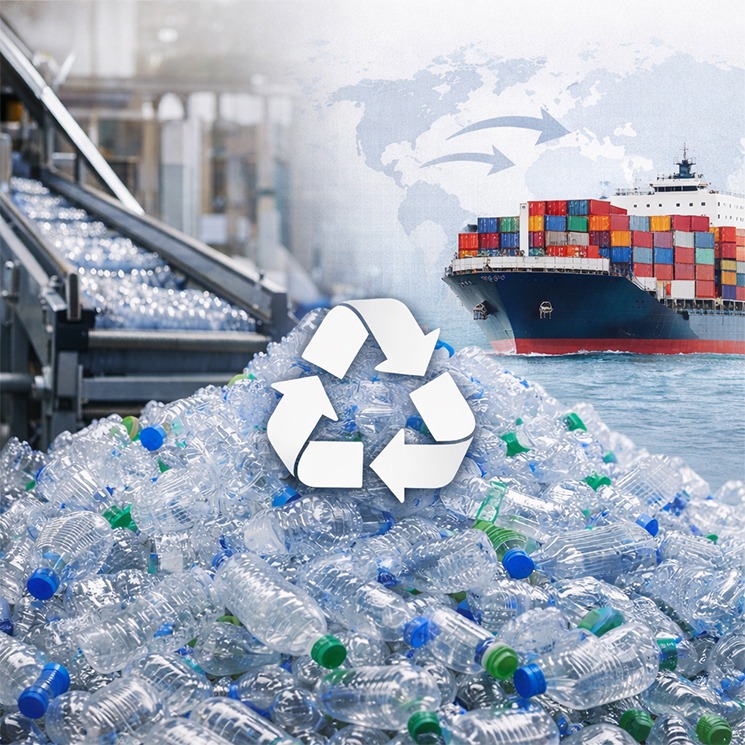
High-performance rPET (recycled polyethylene terephthalate) packaging, advanced polymer recycling, and sustainable materials innovation are examples of how the circular economy is taking shape. By designing products for disassembly and recycling, circularity ensures that waste is kept to a minimum and that materials remain in use for as long as possible.

Transitioning to a Circular Economy: Why It’s Imperative

The transition from a linear economy to a circular model is no longer optional; it is essential for businesses that wish to remain competitive and sustainable. With increasing global regulatory mandates, such as Extended Producer Responsibility (EPR) frameworks, and growing consumer demand for eco-friendly products, industries are under increasing pressure to adopt circular principles.

By embracing circularity, businesses can reduce waste, lower resource consumption, and improve efficiency. Furthermore, circular business models can drive innovation, open up new revenue streams through recycling and repurposing materials, and ultimately contribute to long-term profitability. Companies that adopt circular practices will be better positioned to meet regulatory targets, appeal to conscious consumers, and stay ahead of environmental challenges.

The future of manufacturing, packaging, and resource management lies in creating closed-loop systems where waste is minimised, and resources are continuously reused. Embracing the circular economy isn’t just a step towards sustainability; it’s a vital strategy for future-proofing businesses in a rapidly evolving world.

Conclusion

As the world continues to face escalating environmental challenges, transitioning from the linear to the circular economy is no longer a choice but a necessity. The circular economy offers the most sustainable solution by closing the loop on material use, reducing waste, and minimising environmental impact. For businesses, embracing circularity means not only enhancing sustainability efforts but also unlocking new opportunities for innovation, efficiency, and profitability.

By adopting circular practices, companies and consumers alike can play a crucial role in building a more sustainable, responsible, and prosperous future. The time for change is now, and the circular economy is leading the way.

The Evolution of PET Preforms: A Look at the History and Impact in India

Polyethylene Terephthalate (PET) has become one of the most commonly used plastics in the world, particularly in packaging applications. One of the key components in the production of PET bottles is the PET preform. This versatile product has revolutionised the packaging industry with its cost-effectiveness, durability, and efficiency. In this blog, we will explore the history of PET preforms, what they are, and how they evolved, particularly in India, to become the go-to choice for packaging solutions.

The History of PET and PET Preforms

Polyethylene Terephthalate (PET) is a type of polyester that was first developed in the 1940s by British chemists John Rex Whinfield and James Tennant Dickson. However, it wasn’t until the 1970s that PET gained significant commercial recognition due to its strong, lightweight, and durable properties. By the 1980s, PET had evolved into a leading material for packaging, especially in the food and beverage industry.

The creation of PET preforms, which are the intermediate products used to create PET bottles, occurred shortly after the material gained popularity. PET preforms are essentially small, test-tube-shaped made from PET resin. They are produced through a process called injection moulding, where molten PET plastic is injected into a mould to form preforms of various shapes and sizes. These preforms are then heated and blown into their final bottle shapes using a process like blow moulding and stretch blow moulding.

What are PET Preforms?

A PET preform is a hollow, test-tube-like shape made of PET resin, which is used as an intermediate stage in the production of PET bottles or containers. It is moulded under high pressure and temperature to create a small, solid preform, which is later heated and blown into the final product. The preforms typically have a neck finish that fits standard bottle caps and come in various sizes depending on the final bottle’s design and application.

Once produced, the preforms are heated and inflated inside a mould to stretch and form the desired bottle shape. This makes the PET preform a crucial component in the manufacturing of PET bottles, especially for beverages, household products, and pharmaceutical packaging.

The benefits of PET preforms are numerous. They are lightweight, easy to transport, and highly durable, providing an excellent barrier against moisture, oxygen, and other elements that could compromise the contents. PET preforms can also be tailored to meet specific needs, from varying bottle sizes to unique neck shapes, providing flexibility and customisation for different industries.

The Arrival of PET Preforms in India

While PET was widely used globally, it wasn’t until the 1990s that the production of PET preforms truly began to take off in India. With the country’s booming economy and growing demand for packaged food and beverages, PET preforms quickly became the preferred choice for manufacturers.

The early 2000s marked a significant turning point when Indian companies, especially in the beverage sector, embraced the technology. Brands like Coca-Cola and Pepsi started using PET bottles extensively, triggering a surge in demand for PET preforms. As India’s middle class expanded and disposable income rose, the market for ready-to-drink beverages and packaged products grew, driving the need for efficient, cost-effective packaging solutions.

Key Benefits of PET Preforms in Packaging

  • Durability and Strength: PET preforms are known for their robust properties. They offer excellent protection for a wide range of products, ensuring that the contents remain secure and intact during transportation and storage.
  • Lightweight: One of the key advantages of PET preforms is their lightweight nature, which reduces transportation costs and lowers the carbon footprint of packaging.
  • Customisation: PET preforms can be manufactured in a wide range of shapes, sizes, and colours, making them ideal for customised packaging needs. This flexibility allows brands to create unique packaging designs that stand out on the shelf.
  • Recyclability: PET is a highly recyclable material. Many companies are now using 100% recycled PET (rPET) to produce preforms, contributing to the sustainability of packaging solutions. This eco-friendly approach is aligned with global efforts to reduce plastic waste and promote recycling.
  • Cost-Effective The cost of producing PET preforms is relatively low, especially when compared to other materials like glass. The production process is highly efficient, allowing manufacturers to produce large volumes of preforms at competitive prices.

Conclusion

PET preforms have become an essential component in the world of packaging, thanks to their remarkable versatility, strength, and sustainability. From their humble beginnings to becoming an integral part of the global packaging industry, PET preforms have transformed the way products are packaged, stored, and transported.

In India, the evolution of PET preforms has been nothing short of remarkable, with the country becoming one of the largest producers and consumers of this crucial packaging material. With ongoing advancements in technology and sustainability efforts, PET preforms are set to remain a dominant force in the packaging sector for years to come.

Brazil’s Struggle to Meet Recycled Content Mandates in Flexible Packaging

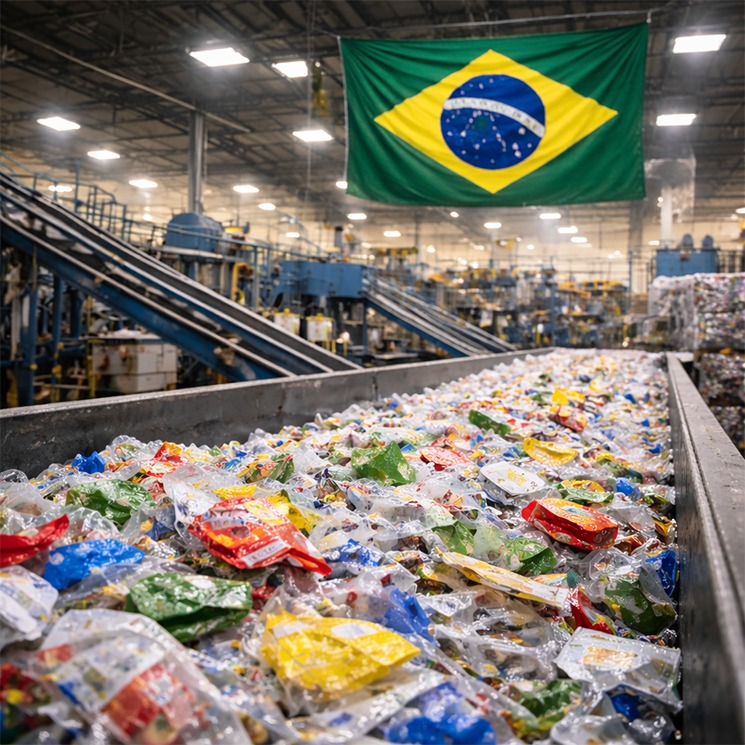
Brazil’s flexible plastic packaging industry is facing a significant challenge in reaching the country’s mandated target of 22% recycled content. As of early 2026, the sector sits at a mere 5%, which is far from the set goal and highlights the pressing need for substantial improvements in recycling infrastructure and processes. These regulations, aimed at reducing plastic waste and supporting a circular economy, are proving difficult to implement in the flexible packaging sector, which includes everyday items such as food wrappers, beverage pouches, and sachets.

The Challenge of Meeting the Mandate

Brazil’s new packaging regulations are part of a broader initiative to reduce plastic pollution and encourage more sustainable practices within the packaging industry. The government aims for 22% of packaging to be made from recycled materials, yet flexible packaging is lagging far behind in meeting this target. At present, the industry has only reached 5% recycled content, revealing the substantial gaps in the country’s recycling efforts. This disparity underlines the urgent need to strengthen the infrastructure required to manage and process these materials effectively.

Flexible plastics are known for their complex composition, which often involves multi-layered structures that are harder to recycle. These materials, commonly used in packaging for food and beverages, often end up in landfills due to limited recycling options and the technical challenges in breaking them down. The combination of inefficient collection systems, a lack of proper recycling technologies, and limited investment in infrastructure has meant that progress in this sector is slow, despite rising demand for sustainable practices.

The Roadblocks to Achieving Sustainability

While other packaging sectors have made strides toward incorporating recycled content, flexible packaging is facing more difficulties. One reason for this is its diverse material composition, which complicates the recycling process. Flexible plastic products often consist of several types of plastic layers, making it difficult to separate and process them into high-quality recycled material. Furthermore, the low collection rates for these products mean that sourcing sufficient recycled material to meet the mandated targets is an ongoing challenge.

Industry experts agree that the solution to this problem will require a concerted effort from all stakeholders in the supply chain. Packaging producers, waste management companies, and government agencies must work together to develop and expand recycling infrastructure, improve collection programmes, and introduce advanced recycling technologies that can process flexible plastics more efficiently.

A Need for Stronger Industry Collaboration

The Brazilian government’s packaging regulations are in line with the country’s commitment to reducing plastic pollution and embracing circular economy principles. However, to reach the 22% recycled content target, significant changes will be required across the entire packaging supply chain. Key areas for improvement include:

  • Expanding recycling infrastructure: The current system is not equipped to process flexible plastics on a large scale. Investment in advanced recycling facilities and technology is needed to close the gap between the current recycling rates and the mandated targets.
  • Increasing consumer participation: One of the most critical factors in improving recycling rates is increasing consumer involvement in waste collection programmes. Without widespread public participation, the materials necessary to meet recycled content goals will not be collected in the volumes needed.
  • Developing scalable processing technologies: There is a need for scalable technologies that can efficiently process mixed flexible plastics into high-quality recycled content suitable for reuse in packaging production.

Additionally, producers must collaborate to create market incentives that encourage the use of recycled materials. Establishing these incentives can help drive demand for recycled content and promote the use of eco-friendly alternatives to virgin materials.

A Global Challenge

Brazil’s experience with recycled content mandates is not unique. Many countries around the world are grappling with similar challenges as they try to balance ambitious sustainability goals with the realities of existing recycling infrastructure. Achieving meaningful progress requires not only regulatory mandates but also a broader commitment to building the systems, technologies, and market conditions needed to process more materials effectively.

As Brazil moves forward with its packaging regulations, the flexible packaging industry will need to respond swiftly and adapt to the evolving requirements. The push for higher recycled content in packaging is an essential step in addressing plastic pollution, but the industry will need to work collaboratively and strategically to meet the target and demonstrate its long-term commitment to sustainability.

The road ahead may be challenging, but with industry-wide collaboration, innovation, and investment in infrastructure, Brazil can pave the way toward a more sustainable future for flexible packaging.

US PET Recycling Faces Growing Pressure from Imported Recycled Materials

The recycling system for polyethylene terephthalate (PET) in the United States is facing mounting pressure as imported recycled plastics increase and domestic demand weakens. Industry leaders have raised concerns that these market shifts are undermining the economic viability of local recycling infrastructure and threatening the long-term stability of the PET recycling system.

Rising Imports and Market Imbalance

Recycled PET imported from overseas now represents a significant share of the North American market, accounting for roughly a quarter of the material used. While imports may provide short term supply benefits, they are creating pricing pressure that makes it difficult for domestic recyclers to compete.

In recent years, at least five major PET recycling facilities in the United States have closed due to declining demand and the increasing availability of lower priced imported recycled resin. This shift is reducing local processing capacity and placing further strain on the country’s recycling ecosystem.

Importance of a Stable Recycling System

PET has historically been one of the most successfully recycled plastics, particularly in beverage bottles. Millions of tonnes of bottles are collected each year and converted back into packaging materials, textiles and other products. The system relies on a stable balance between collection, processing and end market demand to remain economically sustainable.

However, when recycled materials cannot find reliable buyers, recycling programmes become more expensive to operate and public confidence in recycling systems can decline. Industry stakeholders warn that maintaining strong domestic demand for recycled PET is essential to keep the system functioning effectively.

The Role of Industry Commitments

Industry experts emphasise that brands and manufacturers play a critical role in stabilising the recycling system. Long term supply agreements and commitments to use recycled content can create predictable demand for recycled materials, allowing recyclers to invest in infrastructure and expand processing capacity.

Sourcing recycled PET produced within North America has also been highlighted as a practical step to support local recycling markets and maintain economic viability for domestic recyclers.

Moving Towards a More Circular System

Strengthening the PET recycling system will require coordinated action across the entire value chain, including policymakers, recyclers, packaging producers and consumer brands. Measures such as recycled content targets, improved collection systems and stronger end market demand could help ensure that PET bottles and other packaging materials are effectively returned into the production cycle.

As global attention on circular economy solutions continues to grow, stabilising domestic recycling systems will remain a key priority. Ensuring that recycled plastics can compete in the marketplace is essential for sustaining recycling infrastructure and reducing reliance on virgin materials.

India Examines the Environmental Impact of PET Bottle Caps

India’s National Green Tribunal is taking a closer look at the environmental impact of single use PET bottle caps, bringing attention to a packaging component that is often overlooked in wider sustainability discussions. While plastic bottles are already part of the recycling debate, caps present a separate challenge because they are small, detachable and far more likely to escape collection systems.

Why This Issue Matters

The case highlights a practical weakness in plastic waste management. Bottle caps are used in very large volumes across water, soft drinks and other packaged beverages, yet they are more likely than the bottle itself to be discarded improperly. Their size makes them harder to recover, easier to litter and less likely to move through recycling systems effectively.

That matters because packaging sustainability is no longer judged only by the main container. Regulators, manufacturers and recyclers are increasingly expected to account for how every part of a pack performs once it enters the waste stream. If one component is routinely lost, the overall system becomes less effective.

Design Is Becoming Part of the Compliance Discussion

The Tribunal’s review reflects a broader change in how packaging is being evaluated. The focus is moving beyond whether a bottle is technically recyclable and towards whether the full packaging format supports recovery in practice. That includes closures, which have often received less attention despite their role in litter and material loss.

This is where tethered caps have become more relevant. By keeping the cap attached to the bottle throughout use and disposal, they reduce the likelihood of separation before collection and improve the chances of both components being recovered together. The concept has already gained regulatory traction in other markets, particularly in Europe, where attached cap designs are now part of the packaging compliance framework for certain beverage containers.

What It Means for the Industry

For manufacturers, brand owners and converters, the message is clear. Closures are no longer just a functional packaging feature. They are becoming part of the wider sustainability and compliance equation. Businesses may need to assess whether their current packaging formats support collection, reduce litter risk and align with the direction of future regulation.

This also reinforces a larger point about circularity. Progress depends not only on material choice, but on whether packaging is designed to work within real collection and recycling systems. Small components can have an outsized impact when they are consistently lost from the stream.

Looking Ahead

The investigation into PET bottle caps signals a more detailed phase in the sustainability agenda. The conversation is moving from broad commitments to packaging performance in real world conditions. That is a necessary shift.

If regulatory attention continues to expand, the industry will need packaging solutions that deliver stronger recovery outcomes across the full lifecycle.