
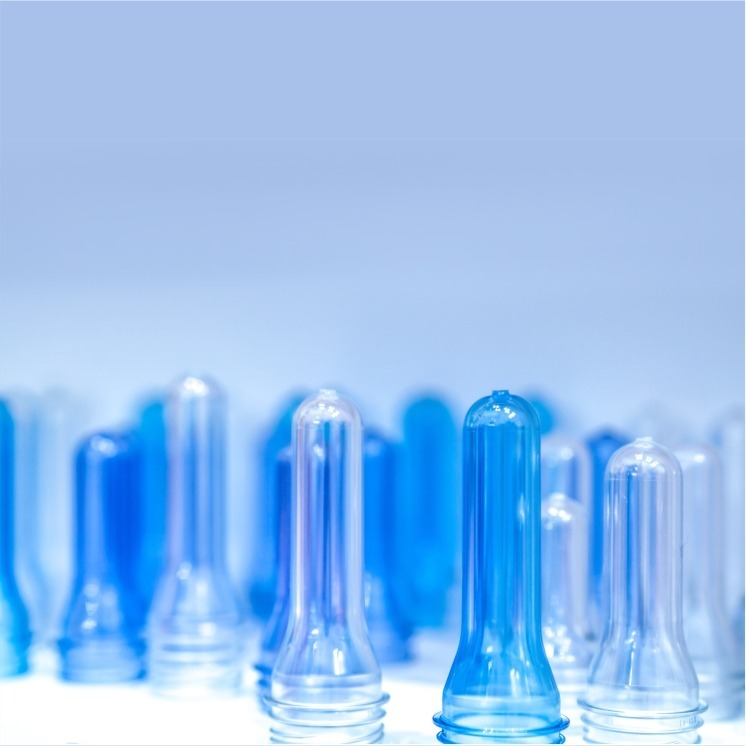
Polyethylene Terephthalate (PET) has become one of the most commonly used plastics in the world, particularly in packaging applications. One of the key components in the production of PET bottles is the PET preform. This versatile product has revolutionised the packaging industry with its cost-effectiveness, durability, and efficiency. In this blog, we will explore the history of PET preforms, what they are, and how they evolved, particularly in India, to become the go-to choice for packaging solutions.
The History of PET and PET Preforms
Polyethylene Terephthalate (PET) is a type of polyester that was first developed in the 1940s by British chemists John Rex Whinfield and James Tennant Dickson. However, it wasn’t until the 1970s that PET gained significant commercial recognition due to its strong, lightweight, and durable properties. By the 1980s, PET had evolved into a leading material for packaging, especially in the food and beverage industry.
The creation of PET preforms, which are the intermediate products used to create PET bottles, occurred shortly after the material gained popularity. PET preforms are essentially small, test-tube-shaped made from PET resin. They are produced through a process called injection moulding, where molten PET plastic is injected into a mould to form preforms of various shapes and sizes. These preforms are then heated and blown into their final bottle shapes using a process like blow moulding and stretch blow moulding.
What are PET Preforms?
A PET preform is a hollow, test-tube-like shape made of PET resin, which is used as an intermediate stage in the production of PET bottles or containers. It is moulded under high pressure and temperature to create a small, solid preform, which is later heated and blown into the final product. The preforms typically have a neck finish that fits standard bottle caps and come in various sizes depending on the final bottle’s design and application.
Once produced, the preforms are heated and inflated inside a mould to stretch and form the desired bottle shape. This makes the PET preform a crucial component in the manufacturing of PET bottles, especially for beverages, household products, and pharmaceutical packaging.
The benefits of PET preforms are numerous. They are lightweight, easy to transport, and highly durable, providing an excellent barrier against moisture, oxygen, and other elements that could compromise the contents. PET preforms can also be tailored to meet specific needs, from varying bottle sizes to unique neck shapes, providing flexibility and customisation for different industries.
The Arrival of PET Preforms in India
While PET was widely used globally, it wasn’t until the 1990s that the production of PET preforms truly began to take off in India. With the country’s booming economy and growing demand for packaged food and beverages, PET preforms quickly became the preferred choice for manufacturers.
The early 2000s marked a significant turning point when Indian companies, especially in the beverage sector, embraced the technology. Brands like Coca-Cola and Pepsi started using PET bottles extensively, triggering a surge in demand for PET preforms. As India’s middle class expanded and disposable income rose, the market for ready-to-drink beverages and packaged products grew, driving the need for efficient, cost-effective packaging solutions.
Key Benefits of PET Preforms in Packaging
- Durability and Strength: PET preforms are known for their robust properties. They offer excellent protection for a wide range of products, ensuring that the contents remain secure and intact during transportation and storage.
- Lightweight: One of the key advantages of PET preforms is their lightweight nature, which reduces transportation costs and lowers the carbon footprint of packaging.
- Customisation: PET preforms can be manufactured in a wide range of shapes, sizes, and colours, making them ideal for customised packaging needs. This flexibility allows brands to create unique packaging designs that stand out on the shelf.
- Recyclability: PET is a highly recyclable material. Many companies are now using 100% recycled PET (rPET) to produce preforms, contributing to the sustainability of packaging solutions. This eco-friendly approach is aligned with global efforts to reduce plastic waste and promote recycling.
- Cost-Effective The cost of producing PET preforms is relatively low, especially when compared to other materials like glass. The production process is highly efficient, allowing manufacturers to produce large volumes of preforms at competitive prices.
Conclusion
PET preforms have become an essential component in the world of packaging, thanks to their remarkable versatility, strength, and sustainability. From their humble beginnings to becoming an integral part of the global packaging industry, PET preforms have transformed the way products are packaged, stored, and transported.
In India, the evolution of PET preforms has been nothing short of remarkable, with the country becoming one of the largest producers and consumers of this crucial packaging material. With ongoing advancements in technology and sustainability efforts, PET preforms are set to remain a dominant force in the packaging sector for years to come.