
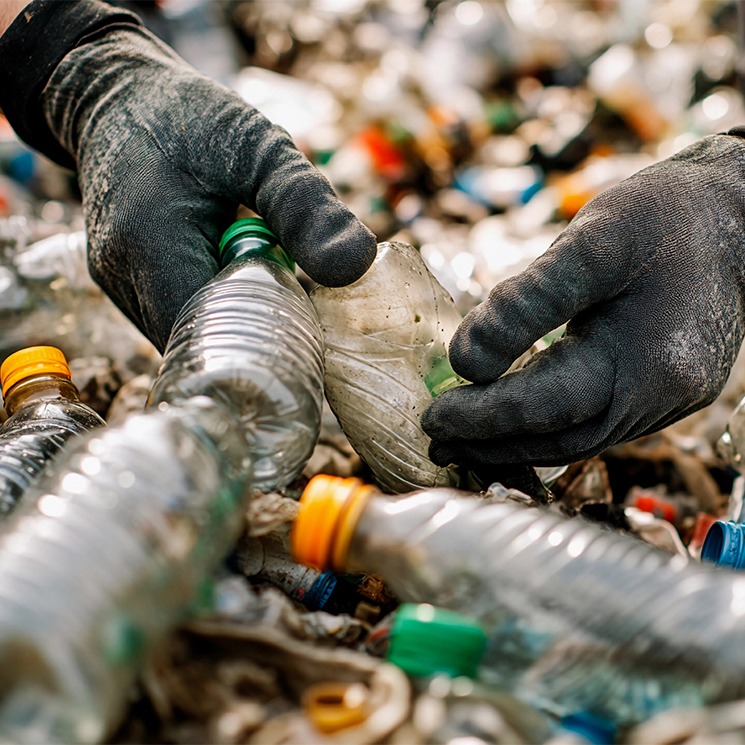
India is entering a more decisive phase in its plastics circularity roadmap with the introduction of a 40% recycled content requirement for food-grade PET packaging from April 2026. The mandate, issued by the Ministry of Environment, Forest and Climate Change, marks a significant escalation in regulatory expectations and sets a clear direction for how packaging materials will be sourced and processed going forward.
Strengthening the Role of Recycled PET
The move is designed to accelerate the adoption of recycled PET across food and beverage packaging, while reducing dependence on virgin material. Industry bodies, including the Association of PET Recyclers Bharat, have indicated that the mandate could help stabilise supply chains that have recently been affected by geopolitical volatility and fluctuations in raw material availability.
By formalising demand for recycled content at scale, the regulation is expected to create a more predictable market for rPET, encouraging both capacity expansion and long-term investment in recycling infrastructure.
Clear Targets with Transitional Flexibility
The 40% requirement applies to the 2026–27 period, building on earlier targets of 30% for the previous year. Importantly, the policy includes provisions that allow companies to carry forward shortfalls for up to three years, with structured compliance requirements to close these gaps progressively.
This approach reflects a balance between regulatory enforcement and operational reality, giving producers time to align sourcing, processing, and production systems with the new standards.
Capacity Expansion Already Underway
India’s recycling ecosystem has begun responding to these requirements with measurable investment. According to industry estimates, 15 to 18 food-grade rPET facilities have been established, with a combined processing capacity of approximately 300,000 metric tonnes. These developments represent investments in the range of ₹9,000 to ₹10,000 crore, indicating strong alignment between policy direction and industry response.
In parallel, regulatory approvals have enabled additional capacity to come online, with multiple facilities meeting international safety standards for food-grade recycled materials. This is critical for ensuring that recycled content can be used in high-compliance applications without compromising quality or safety.
Implications for the Packaging Value Chain
For brand owners, converters, and packaging manufacturers, the mandate introduces a more structured requirement to integrate recycled content into production at scale. This will require tighter coordination across sourcing, processing, and manufacturing stages.
It also shifts the focus from voluntary sustainability commitments to measurable compliance. Companies will need to demonstrate not only intent but also the ability to secure consistent volumes of high-quality recycled material that meets food-grade specifications.
At the same time, increased demand for rPET is expected to strengthen the domestic recycling market, supporting collection systems, improving material recovery rates, and reducing plastic leakage into the environment.
Looking Ahead
India’s 40% recycled PET mandate represents a clear move towards a more circular packaging economy. The policy establishes both a target and a framework for execution, signalling that recycled content will play a central role in the future of packaging.
The next phase will depend on how effectively the industry can scale supply, maintain material quality, and integrate recycled content into mainstream production. With capacity expansion already underway and regulatory clarity in place, the foundation has been set. Execution will determine how quickly the system delivers on its intended outcomes.