Five Recycling Trends That Could Reshape the Plastics Industry in 2026

The global recycling landscape is entering a period of rapid transformation. Advances in technology, stronger regulatory frameworks, and changing market expectations are pushing the plastics industry to rethink how materials are recovered and reused. Analysts suggest that 2026 could become a defining year for recycling innovation and system efficiency.

Below are five developments expected to influence recycling systems and circular economy strategies in the coming year.

Artificial Intelligence Improving Sorting Efficiency

Artificial intelligence and advanced sensor technologies are increasingly being integrated into recycling facilities. Machine learning systems can identify materials more accurately and at higher speeds than traditional sorting methods. These technologies allow materials recovery facilities to detect different plastic types, colours, and formats with greater precision, which improves material quality and recovery rates.

As these systems become more widely adopted, they are expected to reduce contamination in recycling streams and improve the economic viability of recycling operations.

Smart Waste Systems in Urban Infrastructure

Cities are beginning to implement digital waste management systems that track collection patterns and optimise recycling logistics. Smart bins equipped with sensors can monitor waste levels and help municipalities plan more efficient collection routes.

These data-driven systems support better waste segregation and enable local authorities to manage recycling programmes more effectively. Over time, digital infrastructure could play a key role in improving recycling rates in densely populated urban areas.

Expansion of Deposit Return Systems

Deposit return schemes are expected to expand in more regions as governments seek proven ways to increase the collection of beverage containers. These programmes place a small refundable deposit on packaging, encouraging consumers to return used containers for recycling.

Countries that have implemented deposit return systems often achieve significantly higher recovery rates for PET bottles and aluminium cans. Wider adoption of these systems may become a central strategy for improving material recovery.

Packaging Design Focused on Recyclability

Packaging design is also evolving as brands respond to sustainability commitments and regulatory pressure. Manufacturers are increasingly simplifying packaging formats and reducing complex multi-layer structures that are difficult to recycle.

Designing packaging with end-of-life recovery in mind allows materials to move more efficiently through recycling systems and supports the development of a more circular packaging economy.

Greater Collaboration Across the Value Chain

One of the most important trends shaping recycling in 2026 is stronger collaboration across the plastics value chain. Policymakers, recyclers, packaging producers, and consumer brands are recognising that recycling challenges cannot be solved in isolation.

Joint initiatives focused on improving collection systems, investing in infrastructure, and expanding the use of recycled content are becoming central to industry progress.

Looking Ahead

The coming years will likely determine how effectively the global plastics industry can transition toward circular material systems. Technological innovation, supportive regulation, and coordinated industry action will all influence how recycling evolves.

If these trends continue to develop, 2026 could mark a significant step toward building recycling systems that are more efficient, scalable, and capable of keeping plastics in productive use for longer.

Australia’s Plastic Recycling Sector Faces Challenges Amid Delays to Packaging Reform

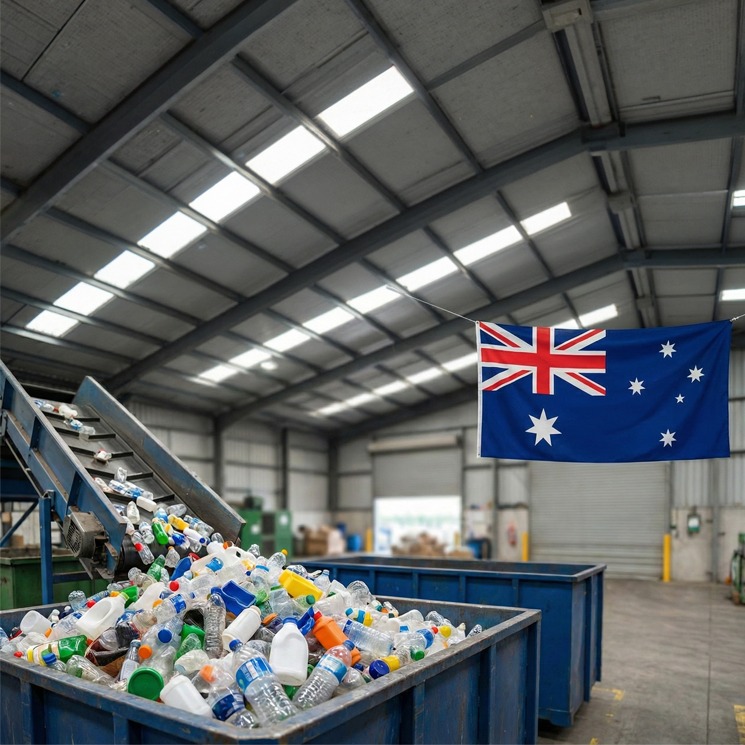
Australia’s recycling industry is at a critical juncture, with industry leaders warning that delayed reforms could jeopardise the country’s ability to recycle plastics effectively. The Australian Council of Recycling (ACOR) has expressed concerns that without urgent legislative action, Australia’s plastic recycling capacity may collapse, despite having the infrastructure in place to process recyclable materials.

The Scale of the Issue

Each year, Australia generates over 1.3 million tonnes of plastic packaging, much of it imported, with over a million tonnes ending up in landfills or as litter. Although significant strides have been made in recycling, the lack of strong demand for locally recycled plastics is placing pressure on domestic recycling operations. Without reform, some facilities may face closure, further increasing the nation’s reliance on imported plastics and exacerbating environmental issues.

Economic Impact of Proposed Reforms

A recent report by Rennie Advisory, commissioned by ACOR and the Australian Packaging Covenant Organisation (APCO), highlighted the benefits of reform. The report proposed a fee-based Extended Producer Responsibility (EPR) scheme, which would require brand owners and producers to take responsibility for the disposal of plastics packaging. This initiative, while adding a modest cost of 0.1% to product prices, could reduce plastics waste by 370,000 tonnes annually and generate over A$2.5 billion in value over five years. It would also create approximately 20,000 new jobs and cut down CO2 emissions by 700,000 tonnes per year.

Current Challenges and the Path Forward

Australia’s National Packaging Laws, agreed in 2023, aim to address the low recycling rates and move towards a circular economy. However, the current situation reveals that most plastic packaging sold in Australia is made from imported fossil fuels, with only 8% containing recycled plastics. Without regulatory change, the use of domestic recycling facilities could fall drastically, resulting in closures and job losses.

For Australia to meet its sustainability targets, it is crucial to build long-term demand for locally recycled plastics. Proper reforms would not only support businesses investing in improved packaging but also provide the foundation for a circular economy that benefits the environment and creates local jobs.

Ethiopia Enforces Ban on Single-Use Plastic Bags

As of 31 January 2026, Ethiopia has officially banned the production, sale, and use of single-use plastic bags, in line with the country’s ongoing commitment to environmental sustainability. This legislation, enacted under Ethiopia’s Solid Waste Management Law (Proclamation 1383/2025), aims to address the environmental impact of plastic waste while promoting cleaner, greener alternatives across the nation.

Strict Penalties for Non-Compliance

The newly enforced ban comes with severe penalties for those violating the law. Individuals caught using or carrying plastic bags face fines ranging from ETB 2,000 ($12.90) to ETB 5,000 ($32.25). In addition, manufacturers, importers, and distributors are subject to hefty fines of up to ETB 200,000 ($1,289.97) and potential prison sentences of up to five years. Institutions found in breach of the law may face fines up to three times those imposed on individuals.

A Step Toward Safer Plastic Practices

The ban is part of Ethiopia’s broader strategy to mitigate the environmental harm caused by plastic waste. It mandates the introduction of safer plastic product designs, reductions in manufacturing waste, and the creation of take-back and recycling systems. The extended producer responsibility framework requires plastic manufacturers to finance the collection and recycling of their products once they reach the end of their lifecycle.

A Regional Trend

Ethiopia’s move to eliminate single-use plastics aligns with similar actions taken by other African nations, including Rwanda, Kenya, Tunisia, and Nigeria. These countries are part of a growing wave of African nations working to tackle plastic pollution and its long-term environmental impact.

The legislation, while introducing strict measures, also allows for certain exemptions where plastic packaging cannot be easily replaced. However, this does not extend to plastic bags, which remain completely prohibited.

Ethiopia’s comprehensive approach is a significant step towards a more sustainable and eco-conscious future, setting a powerful example for other nations in the region and beyond.

Precision Over Panic: Why the Microplastics Bombshell Matters

For quite some time now, it has felt almost impossible to scroll through the news without seeing a headline about microplastics. We have been told they are everywhere, from the deepest parts of the ocean to every corner of the human anatomy, including the brain and the placenta. It is a worrying thought, but a recent report in The Guardian suggests that the situation might be a bit more complicated than the headlines first led us to believe.
As more scientists dig into the data, they are finding that some of the most alarming studies might have been conjectural. The issue is not necessarily about whether plastic exists in our environment, but rather how we measure its presence inside the human body with enough technical rigour.

The Science of False Positives

The latest discourse in the scientific community, which some are calling a bombshell, suggests that many of the high profile studies reporting microplastics in human tissue may have been premature. The core of the issue is not a lack of plastic in our environment because we know it is there, but rather a lack of rigour in how we detect it in the human body.
One of the most striking revelations involves the human brain. Earlier reports suggested a massive rise in brain lodged microplastics. However, researchers are now pointing out a fundamental chemistry oversight because the human brain is roughly 60% fat. In common testing methods like Py-GC-MS, these natural fats can produce signals that are almost identical to polyethylene. In short, what was labelled as plastic might simply have been biology.

The Challenge of Lab Contamination

Another technical hurdle is the issue of procedural blanks. In any high level laboratory test, scientists must run a blank sample to account for any background contamination. Because our modern world is so full of plastic, from the synthetic fibres in our clothes to the seals on laboratory equipment, it is incredibly easy for a sample to become contaminated before it is even tested.
If a study finds microplastics in a tissue sample but does not use rigorous enough controls to account for the plastic particles already floating in the lab air or stuck to the surgical tools, the results become skewed. Scientists are now pointing out that in several high profile cases, the amount of plastic found in the blanks was nearly as high as what was found in the actual human samples, which makes the findings much less certain.

Biological Implausibilities

There is also the question of size and physics. Many reports have claimed to find plastic particles as large as 30 micrometres deep within brain tissue. However, from a biological standpoint, this is highly unlikely. The blood brain barrier is a very tight security system designed to protect our most vital organ. It generally only allows much smaller molecules to pass through.
Finding such large fragments inside the brain suggests either a massive failure of our natural biological barriers or, more likely, a mistake during the sampling or testing phase. Scientists are now arguing that we should focus more on nanoplastics, which are small enough to potentially interact with cells, rather than larger fragments that likely cannot enter our systems in the way people fear.

Why Getting the Details Right Matters

This does not mean we should stop worrying about plastic waste. We can all agree that reducing pollution is a vital goal for the planet. However, there is a big difference between finding plastic in a river and believing it is physically crossing into our most sensitive organs.
When we rely on research that has not yet been fully refined, we risk creating public panic or pushing for regulations that do not actually address the real issues. It is much better to wait for high quality evidence that has been checked for these technical errors than to react to a headline that might be proven wrong a few months later.

A Step Towards Better Research

The conversation is now moving towards more precise ways of testing that can distinguish between natural human fats and synthetic polymers. By improving our analytical methods and ensuring that laboratories are truly plastic free environments during testing, we can get a much clearer picture of what is actually happening inside our bodies.
Ultimately, we need to follow the evidence. It is important to stay informed, but it is just as important to make sure that the information we are consuming is solid. In a world of fast news, sometimes the best thing we can do is wait for the full scientific picture to emerge.

South Korea to Ban Plastic Labels on Bottled Water by 2026

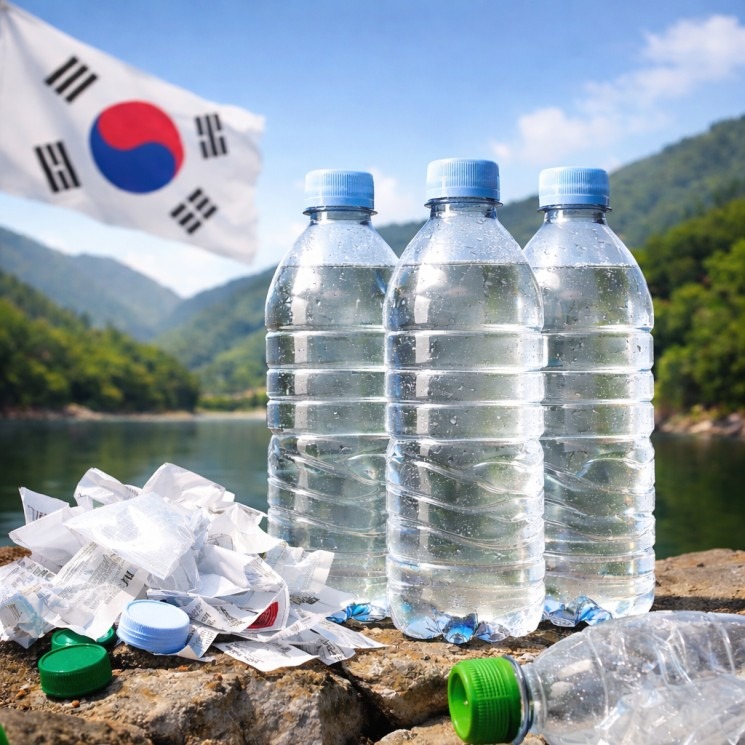
In a move that underscores South Korea’s commitment to sustainability, the Ministry of Climate, Energy and Environment has announced a significant policy change: starting on 1 January 2026, plastic labels will be banned on bottled drinking water. This regulation is set to reshape the packaging landscape for bottled water, with QR codes replacing traditional labels as a means of conveying essential product information.

Transition to QR Codes for Product Information

Under the new regulation, producers of bottled water will be required to print essential product information, including the product name, manufacturing and expiry dates, water source, and contact details, on QR codes. These codes will be placed on bottle caps, or on the outer packaging or carrying handles for bundled products. This shift aims to reduce plastic use while still providing consumers with easy access to important product details.

While the transition will apply universally from 2026, a one-year grace period will be given to products sold individually in physical stores, allowing small retailers more time to adjust to the new system. Online sales and bundled products will need to comply with the new regulations immediately. This phased approach is intended to ensure a smooth transition, especially for small businesses.

Environmental Impact and Benefits

The South Korean government estimates that this new system could help reduce plastic waste by more than 2,200 tonnes annually. With an estimated 5.2 billion bottles of drinking water consumed in South Korea each year, this shift is a significant step towards reducing plastic waste. Approximately 65% of bottled water in the country is already sold without labels, following a trial period that began in 2020. This policy forms part of South Korea’s broader environmental strategy to reduce single-use plastics and enhance recycling efforts.

Integration of Recycled PET Content

In addition to the ban on plastic labels, South Korea’s new policy also mandates the use of recycled content in colourless PET bottles. Starting in 2026, beverage producers who use more than 5,000 tonnes of colourless PET bottles annually will be required to incorporate recycled materials into their packaging. This regulation will affect major producers, including Coca-Cola Korea, Lotte Chilsung Beverage, and Jeju Samdasoo.

By 2030, the government plans to expand this mandate, requiring companies that use more than 1,000 tonnes of PET annually to incorporate at least 30% recycled content into their packaging. This move is part of South Korea’s long-term plan to enhance the circular economy by increasing the use of recycled materials in packaging and other products.

A Strategic Step Towards Sustainability

South Korea’s recent policy shift reflects the country’s broader commitment to reducing plastic waste, improving recycling infrastructure, and aligning with global environmental standards. By transitioning to QR codes and mandating the use of recycled content, South Korea is not only enhancing the sustainability of its packaging but also setting an influential example for the rest of the world. This move highlights how packaging can evolve to be both environmentally responsible and functionally accessible, driving the global shift towards sustainable solutions.

Conclusion

South Korea’s decision to ban plastic labels on bottled water and its new regulations for incorporating recycled content in packaging represent significant progress towards a more sustainable future. These initiatives are in line with a growing global trend where many countries are following suit to reduce plastic waste and improve recycling processes. By pushing for greater use of recycled materials, South Korea is reinforcing its leadership in packaging innovation and environmental responsibility. With these changes, South Korea is paving the way for others to adopt similar measures, advancing the global transition towards a more sustainable and circular economy.