The global beverage packaging market is on track for strong growth over the next decade, with new research from Meticulous Research forecasting the market to reach USD 221.5 billion by 2032, expanding at a compound annual growth rate (CAGR) of 4.9 percent from 2025 to 2032.
The study, titled “Beverage Packaging Market by Material Type, Packaging Type, Beverage Formulation, and Geography – Global Forecast to 2032,” highlights how the market’s expansion is being fuelled by evolving consumer preferences and rapid innovation in sustainable packaging technologies.
According to the report, growth is being driven by the rising global consumption of ready-to-drink (RTD) beverages, including both alcoholic and non-alcoholic options. Increasingly fast-paced lifestyles are creating demand for convenient, portable, and single-serve packaging formats such as PET bottles, cans, tetra packs, and pouches.
Beyond consumption trends, the expansion of diverse retail channels, the popularity of health-oriented beverages, and advancements in fill-finish processes are contributing to a shift toward more customised and efficient packaging solutions.
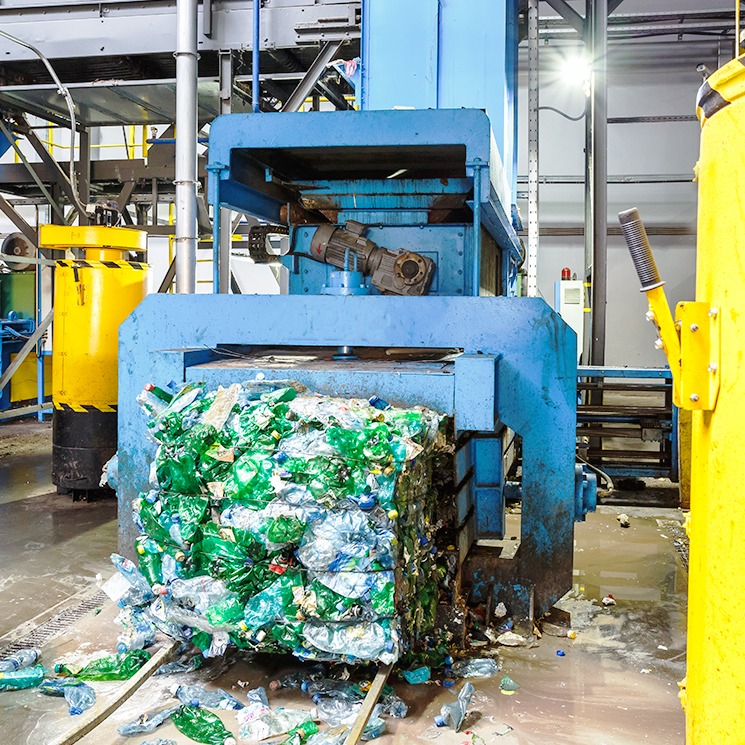
Sustainability continues to be a defining force in market transformation. Beverage producers are increasingly adopting biodegradable, recyclable, and refillable packaging options, supported by growing investment in monomaterials and circular design systems. The move towards recycled plastics, aluminium, and paper-based materials reflects a broader industry effort to reduce waste and lower the carbon footprint of beverage production.
Regionally, Asia-Pacific is expected to remain the leading market, accounting for more than 39 percent of global share by 2025. The region’s growth is attributed to urbanisation, population expansion, and changing consumer behaviour that favours convenience and premium beverage formats. North America and Europe are also projected to maintain strong positions, supported by advanced retail infrastructure and stringent sustainability regulations.
The coming years will see beverage packaging evolve beyond functionality to become an integral part of sustainability strategy and consumer experience. As innovation continues to reshape materials, design, and production efficiency, packaging will remain a key driver of growth and differentiation across the global beverage landscape.
Source: www.meticulousresearch.com