
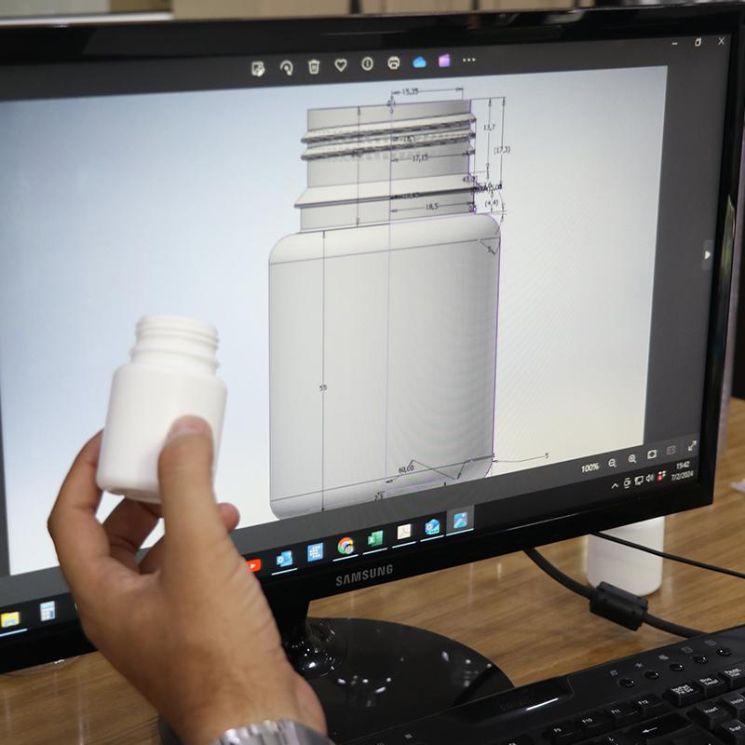
In today’s competitive marketplace, packaging is no longer just about manufacturing bottles, containers, or closures. It has become an integral part of product development, supply chain efficiency, brand identity, regulatory compliance, and sustainability.
As consumer expectations evolve and businesses face increasing pressure to innovate, the role of a packaging supplier has also transformed.
Today’s brands don’t simply need a manufacturer.
They need a packaging partner.
Packaging Is More Than a Product
For many businesses, packaging is often viewed as the final step before a product reaches the market. In reality, successful packaging decisions begin much earlier.
From selecting the right material and designing functional packaging to ensuring compatibility with filling lines and transportation requirements, every stage influences product performance and customer experience.
A well-designed package doesn’t just protect what’s inside—it improves operational efficiency, supports sustainability goals, and strengthens a brand’s presence in the market.
This is why businesses are increasingly looking beyond manufacturing and seeking partners who can contribute throughout the packaging journey.
What Does a 360° Packaging Partner Do?
A 360° packaging partner supports businesses from concept to commercialisation, helping simplify what is often a complex development process.
Rather than supplying a finished product alone, they bring together expertise across multiple stages of packaging development.
This may include:
- Understanding product and market requirements
- Selecting the most suitable packaging material
- Packaging design and engineering
- Prototype development
- Tool and mould development
- Manufacturing and quality assurance
- Decoration and value-added solutions
- Supply chain and logistics support
- Sustainability and circular packaging guidance
By integrating these capabilities, businesses can reduce development timelines, improve consistency, and make better-informed packaging decisions.
Why Early Collaboration Matters
Many packaging challenges arise long before production begins.
Material compatibility, filling line performance, stackability, transportation conditions, and regulatory requirements all need to be considered during the design phase—not after production has started.
When packaging experts are involved early, potential issues can often be identified and resolved before they become costly challenges.
This collaborative approach not only improves efficiency but also helps accelerate product launches.
Innovation Goes Beyond New Materials
Innovation in packaging is often associated with new materials or technologies.
However, some of the most meaningful improvements come from refining existing processes.
Optimised bottle designs, lightweight packaging, improved manufacturing efficiency, enhanced product protection, and designing for recyclability all contribute to better packaging performance.
True innovation is about creating solutions that balance functionality, efficiency, sustainability, and commercial viability.
Building Long-Term Value
Packaging decisions influence far more than manufacturing costs.
They affect transportation efficiency, warehouse optimisation, product safety, consumer experience, regulatory compliance, and environmental impact.
Businesses that view packaging strategically are better positioned to respond to changing market expectations while building more resilient supply chains.
Choosing the right packaging partner is therefore not simply about finding a supplier—it’s about building a long-term relationship that supports innovation and business growth.
Looking Ahead
As the packaging industry continues to evolve, collaboration will become increasingly important.
Brands are seeking partners who understand not only how to manufacture packaging, but also how to solve challenges across the entire product lifecycle.
Because great packaging is never created in isolation.
It is built through expertise, collaboration, and a shared commitment to delivering solutions that perform today while preparing for the demands of tomorrow.