Stand Out on the Shelf: PET Bottles for Cosmetics & Personal Care

The cosmetics and personal care industry thrives on presentation. Your product needs to look as good as it performs, and packaging plays a crucial role for first impression. While glass has long been a packaging staple, PET (polyethylene terephthalate) plastic has emerged as a compelling alternative, offering a unique blend of aesthetics, functionality, and cost-effectiveness. This blog post explores the numerous advantages of PET bottles for cosmetics and personal care, highlighting why they’re becoming an increasingly popular choice for brands seeking to stand out on the shelf and connect with discerning consumers. Chemco is perfectly positioned to serve the booming Indian cosmetics and personal care market with these versatile packaging solutions.

Why Choose PET Bottles for Cosmetics and Personal Care?

PET bottles offer a compelling set of benefits tailored to the specific needs of the cosmetics and personal care sector:

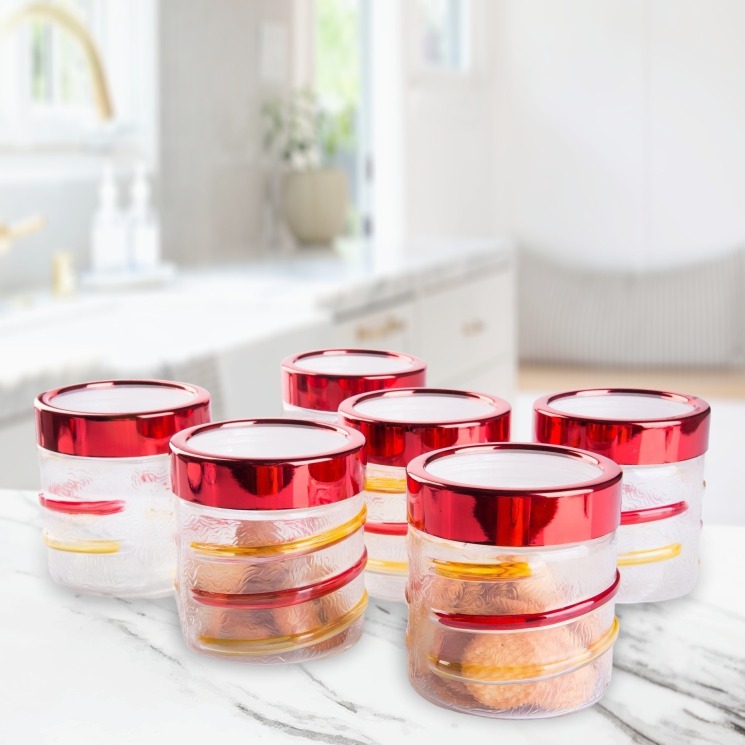
  • Unparalleled Visual Appeal: PET boasts exceptional clarity, rivaling glass and allowing your product’s color, texture, and even shimmer to shine through. This glass-like transparency enhances shelf appeal, inviting consumers to explore the product within. Beyond clarity, PET can also be produced in a spectrum of colors and finishes, from frosted and pearlescent to metallic and matte, offering endless design possibilities to match your brand aesthetic. As the image above illustrates, the visual aspect of your product is essential for capturing consumer attention and differentiating it from the competition.
  • Endless Design Flexibility: PET is incredibly versatile and adaptable when it comes to design. It can be molded into a wide array of shapes and sizes, from sleek and minimalist cylinders for serums to ornate and decorative jars for creams. Chemco offers a diverse range of PET bottles in various shapes, from classic round to contemporary designs, in sizes ranging from 100ml to 1000ml. This flexibility empowers brands to create unique and eye-catching packaging that reflects their brand identity and differentiates their products from the competition. Complex curves, embossing, debossing, and even intricate surface textures are all achievable with PET, adding a touch of luxury and sophistication that elevates the perceived value of the product.
  • Durability and Safety for Precious Products: Unlike glass, PET is shatter-resistant, making it a safer and more practical option for both consumers and during shipping. This durability minimizes the risk of damage during handling, storage, and transportation, significantly reducing product loss and costly returns. For consumers, especially in the bathroom or travel settings, the lightweight and shatterproof nature of PET bottles is a major plus.
  • Cost-Effectiveness for Competitive Pricing: Compared to glass, PET bottles are significantly more cost-effective to produce, especially in the high volumes common in the cosmetics and personal care industry. This can translate to significant savings for brands, allowing them to invest more in product formulation and marketing. The lighter weight of PET also contributes to lower shipping costs, further enhancing cost-effectiveness.
  • Sustainability for the Conscious Consumer: Modern PET bottles are highly recyclable, and the use of recycled PET (rPET) is becoming increasingly prevalent. This focus on sustainability aligns perfectly with consumer demand for eco-friendly packaging and helps brands reduce their environmental footprint. Chemco is committed to offering sustainable PET solutions, including rPET options, helping brands in India and beyond meet their environmental goals and appeal to increasingly eco-conscious consumers.

Key Considerations for PET Bottles in Cosmetics and Personal Care:

While PET offers numerous advantages, there are some factors to consider:

  • Material Compatibility: It’s crucial to ensure that the PET resin is compatible with the specific product formulation. Certain ingredients, like some essential oils or harsh chemicals, may react with PET, causing discoloration, degradation, or even leaching. Chemco’s technical experts can assist in selecting the appropriate PET grade and any necessary barrier treatments for your specific product to ensure compatibility and maintain product integrity.
  • Barrier Properties for Fragrance and Sensitive Formulas: While PET offers good barrier properties against moisture and oxygen, certain products, particularly fragrances or those containing volatile ingredients, may require additional barrier layers or specialized PET blends to prevent fragrance loss or maintain product efficacy. Chemco can advise on barrier solutions, such as internal coatings or multilayer PET structures, to meet your product’s specific needs and ensure long-term stability.
  • Heat Sensitivity for Certain Applications: Standard PET is not suitable for products that require high-temperature filling or sterilization. However, advancements in PET technology are continually expanding its heat resistance capabilities. For products requiring higher temperatures, Chemco can explore specialized PET grades or alternative packaging solutions.

Chemco: Your Trusted and Local Partner in PET Packaging Solutions and Beyond:

At Chemco, we understand the unique needs and high standards of the cosmetics and personal care industry. We offer a comprehensive range of PET solutions, including:

  • PET Preforms (PCO 1880 Neck Finish): Our preforms, ranging from 15 grams to 48 grams, utilize the industry-standard PCO 1880 neck finish, ensuring compatibility with a wide range of closures. These preforms are the starting point for producing high-quality PET bottles in various sizes and shapes.
  • PET Bottles (24mm Neck): We offer a diverse range of PET bottles starting with a 24mm neck finish, in capacities from 100ml up to 1000ml, available in both round and custom shapes to meet your specific branding and product requirements.
  • Caps and Closures: Chemco provides a variety of cap and closure options to complement our PET bottles, ensuring a perfect fit and optimal functionality for your product.

And we understand the power of personalization. Chemco can work with you to customize your PET bottles, incorporating your branding, colors, and even unique shapes to make your products truly stand out. Our expertise in PET technology, combined with our local presence, allows us to provide customized solutions that meet your specific requirements, from design and material selection to sustainable options and stringent quality assurance. Contact us today to discuss your packaging needs and discover how Chemco can help you create packaging that is as beautiful and functional as the products it contains, all while supporting local manufacturing and contributing to a thriving Indian economy.

Conclusion:

PET bottles have become a go-to choice for discerning cosmetics and personal care brands, offering a winning combination of aesthetic appeal, practical functionality, and cost-effectiveness. With its unparalleled design flexibility, inherent durability, and growing sustainability credentials, PET is transforming the way brands package and present their products to the world. By partnering with a trusted and local PET packaging supplier like Chemco, brands can leverage the myriad benefits of PET to create packaging that not only looks great on the shelf but also performs exceptionally well in the hands of consumers, building brand loyalty and driving sales.

The Indispensable Role of Plastic: Balancing Practicality and Sustainability in a Changing Regulatory Landscape

Donald Trump’s decision to bring back plastic straws highlights an ongoing reality—when it comes to practicality, durability, and efficiency, plastic remains a key material in our daily lives. This executive order, reversing the previous administration’s push for paper alternatives, has sparked a debate that transcends the choice between plastic and paper straws.

The Case for Plastic Straws

Plastic straws offer several advantages that have made them a staple in everyday use:

  1. Practicality: Plastic straws are easy to use, lightweight, and convenient. Their strength and flexibility make them ideal for various beverages, from soft drinks to smoothies.
  2. Durability: Unlike paper straws that often become soggy and unusable, plastic straws maintain their integrity throughout use, ensuring a consistent and enjoyable drinking experience.
  3. Efficiency: The production of plastic straws is generally more cost-effective, allowing manufacturers to offer competitive pricing while maintaining high-quality standards.

Unintended Consequences of Alternatives

While alternatives like paper and biodegradable straws have been championed as “eco-friendly,” they often come with unintended consequences:

  • Higher Resource Consumption: The production of paper straws can require more water, energy, and raw materials compared to plastic straws, leading to a larger environmental footprint.
  • Performance Issues: Paper straws tend to dissolve or break down quickly, which can result in a less satisfying user experience and increased waste due to the need for replacements.

Rethinking the Debate

The debate over materials shouldn’t be about bans but about responsible use, innovation, and proper waste management. Instead of vilifying plastic, we should focus on smarter systems that reduce waste and maximize sustainability:

  • Recycling Initiatives: Implementing robust recycling programs can ensure that plastic products are reused and repurposed effectively, minimizing their impact on the environment.
  • Eco-Friendly Materials: Exploring the use of biodegradable and recyclable materials in conjunction with plastic can create more sustainable packaging solutions.
  • Waste Management: Developing efficient waste management systems that emphasize recycling and reduction can help mitigate the environmental impact of plastic products.

Conclusion

The reinstatement of plastic straws by President Trump marks a pivotal moment in the ongoing conversation about materials and sustainability. It underscores the importance of balancing practicality with environmental responsibility. By leveraging innovation and focusing on responsible use, we can create a future where both plastic and sustainability coexist harmoniously, meeting the needs of consumers while protecting our planet.

Navigating the Regulatory Landscape: Certifications and Standards for Menstrual Cups (India & Global)

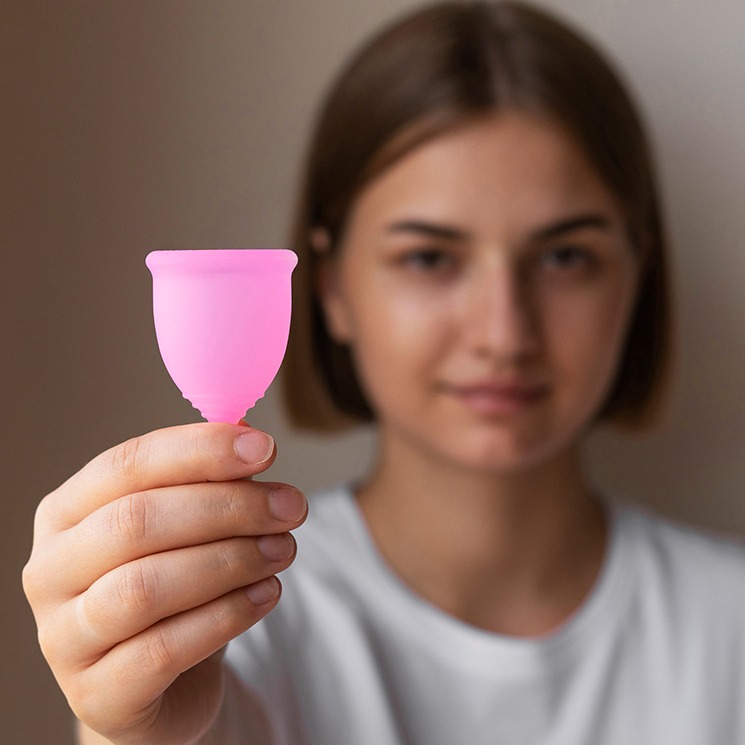
The menstrual cup market is booming, but ensuring your product meets stringent quality and safety standards is paramount. Navigating the complex world of certifications and regulations can be challenging. This blog post outlines the key certifications and standards required for menstrual cups, both in India and globally, and highlights how Chemco is equipped to help you meet these requirements seamlessly.

Why Certifications and Standards Matter:

Menstrual cups are classified as medical devices in many regions, including India. This classification necessitates adherence to strict regulations to guarantee user safety and product efficacy. Compliance with these standards is not just a legal obligation; it’s also crucial for building consumer trust and establishing your brand as a reliable provider of menstrual hygiene products.

Key Certifications and Standards in India:

  • Indian Medical Device Regulations: The Central Drugs Standard Control Organization (CDSCO) is the regulatory body for medical devices in India. Menstrual cups fall under their purview and must comply with the Medical Devices Rules, 2017. This includes requirements for manufacturing quality, material biocompatibility, and product safety.
  • BIS Certification (Potentially): While not explicitly mandated for all menstrual cups, obtaining a Bureau of Indian Standards (BIS) certification can be a valuable asset, demonstrating your commitment to quality and enhancing consumer confidence.

Global Certifications and Standards:

Depending on your target markets, you may need to comply with additional international regulations:

  • ISO 13485: This international standard specifies requirements for a quality management system (QMS) where an organization needs to demonstrate its ability to provide medical devices and related services that consistently meet customer and applicable regulatory requirements. It’s a widely recognized standard and often a prerequisite for selling medical devices in many countries.
  • FDA (USA): If you plan to sell your menstrual cups in the United States, you’ll likely need to obtain premarket notification (510(k) clearance) from the Food and Drug Administration (FDA). This process requires demonstrating that your product is substantially equivalent to a legally marketed predicate device.
  • CE Marking (Europe): For sales in the European Union, your menstrual cups will need to bear the CE marking, indicating compliance with the Medical Devices Regulation (MDR) or the earlier Medical Device Directive (MDD), depending on the timeline. This involves meeting specific safety and performance requirements and often requires certification by a Notified Body.

Biocompatibility Testing:

Regardless of the specific regulatory framework, biocompatibility testing is essential for menstrual cups. These tests assess the potential for the device to cause adverse reactions in the body, ensuring user safety. Commonly required tests include cytotoxicity, skin irritation, and sensitization.

How Chemco Ensures Compliance:

Chemco understands the complexities of medical device regulations and is committed to helping our clients navigate the certification process smoothly. We maintain a robust quality management system that adheres to ISO 13485 standards. Our manufacturing facilities are designed and operated to meet the stringent requirements of medical device production.

  • Medical-Grade Silicone: We utilize only medical-grade silicone materials that have been thoroughly tested for biocompatibility. We can provide documentation and certifications to support your regulatory submissions.
  • Stringent Quality Control: Our quality control processes encompass every stage of production, from raw material inspection to final product testing. We adhere to strict protocols to ensure that every menstrual cup meets the highest standards of quality and safety.
  • Documentation and Support: We can provide you with the necessary documentation and support to assist with your regulatory submissions, including material specifications, test reports, and quality certificates.

Partnering with Chemco for Regulatory Success:

By choosing Chemco as your menstrual cup manufacturer, you gain a partner who is knowledgeable about the regulatory landscape. We can help you:

  • Select the appropriate materials: We can advise on the best medical-grade silicone for your product and ensure it meets biocompatibility requirements.
  • Navigate the certification process: We can provide guidance and documentation to support your submissions to regulatory bodies.
  • Maintain consistent quality: Our robust quality management system ensures that your products are consistently manufactured to the highest standards.

Conclusion:

Meeting the regulatory requirements for menstrual cups is crucial for market access and building consumer trust. Chemco’s commitment to quality, compliance, and customer support makes us the ideal partner to help you navigate this complex landscape and bring your safe and effective menstrual cup to market successfully. Contact us today to learn more about our capabilities and how we can assist you in achieving your regulatory goals.

Recycling Juice Bottles: A Deeper Dive into Mumbai’s Waste Management

As a thriving global hub, Mumbai faces the pressing challenge of managing its ever-growing waste stream. Plastic waste, particularly from single-use items like juice bottles, poses a significant environmental threat. Understanding the nuances of juice bottle recycling is crucial in addressing this challenge and moving towards a more sustainable future for the city.

The Unique Challenges of Juice Bottle Recycling

Unlike the relatively uniform composition of most soda bottles, juice bottles present unique challenges to the recycling process:

Convenient Recycling Options:

  • Material Diversity:
    • Juice bottles are not a homogenous group. While many are made from PET (Polyethylene Terephthalate), identified by the recycling symbol #1, others are crafted from HDPE (High-Density Polyethylene), often used for milk and some juice cartons, or even composite materials like Tetra Pak, combining paper, plastic, and aluminum. This material diversity necessitates careful sorting and processing to ensure that the correct materials are recycled effectively.
  • Contamination Concerns: Juice bottles often contain residues of fruit pulp, sugar, and sometimes acidic components. This residue can contaminate the recycling stream if not properly cleaned, hindering the recycling process and potentially degrading the quality of the recycled material.
  • Challenges in Collection and Separation: Ensuring the efficient collection and separation of juice bottles from other waste streams is crucial. This requires robust waste management infrastructure, including efficient collection systems, well-maintained recycling bins, and public awareness campaigns.

The Recycling Journey

  1. Collection and Sorting:
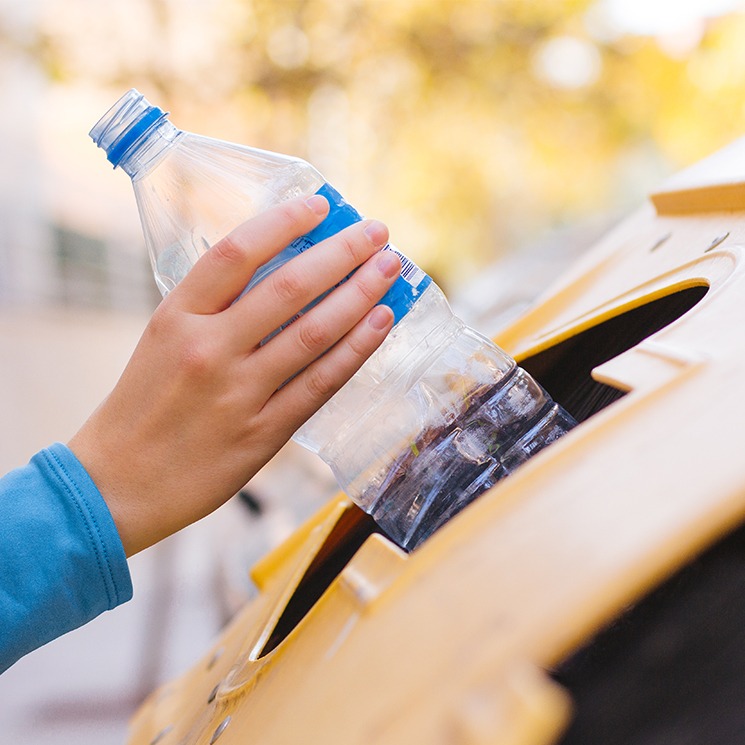
    • Juice bottles are collected through various channels, including curbside recycling programs, designated drop-off centers, and innovative initiatives like Reverse Vending Machines (RVMs) deployed at key locations like Mumbai’s railway stations.
    • Efficient sorting at source is paramount. Citizens can play a crucial role by rinsing and crushing bottles and separating them from other types of waste.
  2. Material Recovery Facilities (MRFs): Collected bottles are transported to Material Recovery Facilities (MRFs), where they undergo rigorous sorting to separate PET from other plastics, paper, and aluminum. Advanced technologies, such as optical sorters and near-infrared sensors, can help identify and separate different types of plastics efficiently.
  3. Cleaning and Processing: Thorough cleaning is essential to remove any remaining juice residue. The cleaned bottles are then shredded into small flakes, increasing their surface area for efficient processing.
  4. Reprocessing: The shredded flakes are washed and dried before being melted down in specialized extruders. This process converts the solid plastic back into a molten state, which is then extruded into pellets.
  5. Creating New Products: These recycled PET pellets are used to manufacture a wide range of products, including new beverage bottles, food containers, polyester fibers for clothing, and other applications.

Improving Mumbai’s Waste Management System

To enhance juice bottle recycling in Mumbai, several key steps are crucial:

  • Strengthening Collection Infrastructure: Expanding access to curbside recycling programs, increasing the density of recycling bins, and improving waste collection services are essential.
  • Promoting Public Awareness: Educating citizens about the importance of proper waste segregation, the types of materials that can be recycled, and the benefits of recycling is crucial.
  • Investing in Technology: Investing in advanced sorting technologies at Material Recovery Facilities can improve the efficiency and effectiveness of the recycling process.
  • Promoting Circular Economy Principles: Encouraging the use of recycled materials in new products and promoting a circular economy approach to waste management can significantly reduce the environmental impact of plastic waste.

Conclusion:

Recycling juice bottles is not just about waste disposal; it’s an integral part of a larger effort to improve Mumbai’s waste management system and create a more sustainable future for the city. By understanding the challenges, embracing responsible consumption habits, and actively participating in recycling programs, citizens can play a vital role in minimizing the environmental impact of plastic waste and contributing to a greener Mumbai.

Chemco Group is committed to promoting sustainable practices. If you have any questions about recycling juice bottles or other plastic waste, please don’t hesitate to contact us.

Disclaimer:

  • This information is based on available sources and may not be entirely comprehensive.
  • Always refer to official sources for the most up-to-date information on recycling programs and accepted materials.

Note: Always check local guidelines for specific recycling instructions and collection points.

Giving Soda Bottles a Second Life: A Deeper Dive into Recycling in Mumbai

As a thriving global hub, Mumbai faces the pressing concern of plastic waste, a significant environmental challenge. Soda bottles, ubiquitous in our daily lives, contribute significantly to this plastic burden. However, these seemingly disposable items can be transformed into valuable resources through effective recycling. This blog post delves deeper into the technical aspects of soda bottle recycling and explores how citizens can contribute to a more sustainable future.

The Environmental Impact of Plastic Pollution

Plastic pollution poses a significant threat to Mumbai’s environment. Marine debris, including discarded soda bottles, accumulates in coastal areas, harming marine life and degrading the beauty of our beaches. Microplastics, tiny fragments of plastic that result from the breakdown of larger plastic items, can enter the food chain and pose potential risks to human health.

The Science Behind Soda Bottle Recycling

  • PET: The Cornerstone of Soda Bottles: The vast majority of soda bottles are manufactured from Polyethylene Terephthalate (PET), a strong, lightweight, and versatile thermoplastic resin. PET’s unique properties make it ideal for beverage containers due to its:
    • PET: The Cornerstone of Soda Bottles: Allowing consumers to easily see the contents. (Examples: Coca-Cola, Pepsi, Sprite bottles)
    • Excellent barrier properties: Protecting the beverage from contamination and maintaining carbonation. (Examples: Fanta, 7-Up, Mountain Dew bottles)
    • Good resistance to chemicals and impacts: Ensuring durability during transportation and handling. (Examples: Diet Coke, Diet Pepsi bottles)
  • The Recycling Process: A Technical Overview:
    1. Collection: Soda bottles are collected through various channels, including curbside recycling programs, designated drop-off centers, and innovative initiatives like Reverse Vending Machines (RVMs) deployed at key locations like Mumbai’s railway stations.
    2. Sorting and Cleaning: Collected bottles undergo rigorous sorting to separate PET from other plastics and remove contaminants like labels, caps, and foreign objects. Thorough washing is crucial to remove any remaining beverage residue.
    3. Shredding and Flaking: The sorted bottles are then shredded into small flakes, increasing their surface area for efficient processing.
    4. Washing and Drying: The shredded flakes undergo a thorough washing process to remove any remaining impurities. The flakes are then dried to ensure optimal processing conditions.
    5. Melting and Reprocessing: The washed and dried flakes are melted down in specialized extruders. This process converts the solid plastic back into a molten state. The molten plastic is then extruded into pellets, the basic building blocks for various recycled products.
    6. Creating New Products: These recycled PET pellets are used to manufacture a wide range of products, including:
      • Food-grade applications: New soda bottles (like those used by brands like Coca-Cola and Pepsi for their refillable bottle programs), water bottles, and other food containers.
      • Textile applications: Polyester fibers for clothing (brands like Patagonia and The North Face use recycled polyester in their garments), fleece jackets, and synthetic fabrics.
      • Other applications: Carpet fibers, insulation, and automotive components.

Circular Economy Principles in Action

Recycling soda bottles aligns with the principles of a circular economy, where resources are kept in use for as long as possible. By effectively recycling PET bottles, we minimize the need for virgin plastic production, reduce reliance on finite resources, and decrease the environmental impact of plastic waste.

Role of Technology and Innovation

Advancements in recycling technologies, such as advanced sorting systems, chemical recycling processes, and the development of new bio-based plastics, are crucial for improving recycling efficiency and expanding the range of recyclable materials. Continued research and development in this area will be essential for building a more sustainable future.

Government Initiatives and Policies

The government plays a vital role in promoting recycling through policies such as plastic ban regulations, extended producer responsibility (EPR) programs, and incentives for recycling. These initiatives encourage businesses to take responsibility for the end-of-life management of their products and promote a more sustainable approach to packaging.

Maximizing Recycling Efforts:

  • Proper Bottle Preparation:
    • Rinse and Crush: Thoroughly rinse your soda bottles to remove any remaining beverage residue. Crush them to save space and optimize storage.
    • Remove Caps and Labels: Whenever possible, remove caps and labels before recycling.
  • Utilize Recycling Programs: Actively participate in curbside recycling programs, utilize designated drop-off centers, and take advantage of convenient recycling options like RVMs at railway stations.
  • Support Local Initiatives: Support local organizations and initiatives focused on plastic waste reduction and recycling.
  • Spread Awareness: Educate your friends, family, and community about the importance of proper recycling practices.

Citizen Empowerment

Ultimately, citizen action is crucial for successful recycling efforts. By making conscious choices, embracing responsible consumption habits, and actively participating in recycling programs, we can all contribute to a cleaner and more sustainable Mumbai.

Conclusion:

Addressing the plastic waste challenge in Mumbai requires a collective effort from citizens, businesses, and the government. By embracing circular economy principles, supporting innovation in recycling technologies, and actively participating in recycling programs, we can create a more sustainable future for our city.

Disclaimer:

  • This information is based on available sources and may not be entirely comprehensive.
  • Always refer to official sources for the most up-to-date information on recycling programs and accepted materials.

Note: Always check local guidelines for specific recycling instructions and collection points.

Chemco Group is committed to promoting sustainable practices. If you have any questions about recycling soda bottles or other plastic waste, please don’t hesitate to contact us.