
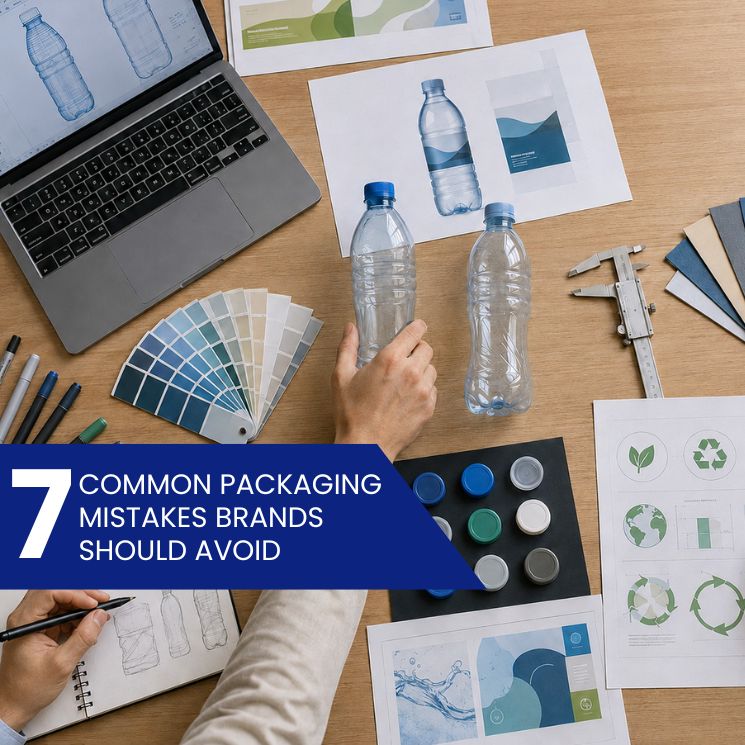
Packaging is often one of the first things consumers notice about a product. It protects what’s inside, reflects your brand, supports manufacturing, and influences the overall customer experience.
Yet, when developing a new product or refreshing an existing one, packaging decisions are sometimes made in haste—focusing on one aspect while overlooking others that are equally important.
Here are seven common packaging mistakes brands should avoid to create packaging that performs well throughout its lifecycle.
1. Choosing Packaging Based Only on Cost
Cost is an important consideration, but it shouldn’t be the only one.
Selecting the lowest-cost packaging may reduce upfront expenses, but it can lead to higher costs in the long run if it affects product protection, manufacturing efficiency, or consumer satisfaction.
Instead of looking only at price, consider the overall value your packaging delivers—from production to the hands of the consumer.
2. Ignoring Your Brand Identity
Packaging is more than a container—it’s an extension of your brand.
The shape, finish, colour, and overall design of your packaging all contribute to how consumers perceive your product. A well-designed package can improve shelf visibility, strengthen brand recognition, and create a memorable first impression.
When choosing packaging, ask yourself:
* Does it reflect my brand’s personality?
* Will it stand out on the shelf?
* Does it create a consistent brand experience?
Choosing a standard bottle may work for some products, but for others, a custom packaging solution can help create stronger brand differentiation.
3. Not Considering Filling Line Compatibility
A bottle may look great, but it also needs to work efficiently on your production line.
Factors such as bottle dimensions, neck finish, closure compatibility, and filling requirements should be considered early in the development process.
Packaging that’s compatible with your manufacturing process can help:
* Improve production efficiency
* Reduce downtime
* Minimise product wastage
* Ensure consistent filling and sealing
Collaborating with your packaging partner during the design stage can help identify potential challenges before production begins.
4. Overlooking Logistics and Supply Chain Requirements
Packaging doesn’t just need to perform on the shelf—it also needs to withstand the journey to get there.
Transportation, warehousing, stacking, and handling can all impact packaging performance.
Before finalising your packaging, consider:
Will it withstand transportation and handling?
Can it be stacked efficiently during storage?
Does it optimise space during shipping?
Is it suitable for your distribution network?
Designing with logistics in mind can help reduce product damage and improve supply chain efficiency.
5. Treating the Label as an Afterthought
A great bottle deserves a great label.
The label is often the first place consumers look for product information, ingredients, usage instructions, and brand messaging. It also plays a significant role in attracting attention on crowded retail shelves.
When planning your packaging, consider:
* Adequate label panel space
* Readability of mandatory information
* Compatibility with your chosen labelling method
* Visual consistency with your brand identity
Designing the bottle and label together creates packaging that is both functional and visually appealing.
6. Ignoring the Consumer Experience
Successful packaging isn’t just attractive—it’s easy to use.
Consumers appreciate packaging that’s comfortable to hold, easy to open, simple to dispense from, and convenient to store.
Small design details can have a big impact on the overall product experience and influence whether consumers choose your brand again.
After all, great packaging doesn’t stop at the point of purchase—it continues throughout the product’s use.
7. Overlooking Sustainability
Sustainability is becoming an increasingly important part of packaging decisions.
Consumers, retailers, and regulators are placing greater emphasis on packaging that uses resources responsibly and supports recycling.
Brands can take meaningful steps by considering:
* Lightweight packaging designs
* Recyclable PET packaging
* The use of recycled PET (rPET), where appropriate
* Designs that support easier recycling
Sustainable packaging isn’t just about meeting today’s expectations—it’s about preparing for the future.
Final Thoughts
Choosing the right packaging requires balancing multiple factors—from product protection and manufacturing efficiency to branding, consumer convenience, and sustainability.
Looking beyond the initial cost and considering the complete packaging journey can help brands avoid common challenges while creating packaging that adds value at every stage.
At Chemco Group, we believe that great packaging is built on thoughtful design, technical expertise, and a deep understanding of our customers’ needs. By working closely with brands, we develop PET packaging solutions that combine functionality, quality, and innovation—helping products perform on the production line, stand out on the shelf, and deliver a great consumer experience.