From Collection to Reprocessing: What Determines the Quality of Recycled PET

As demand for recycled PET continues to grow, the conversation is moving beyond recycled content targets and towards material quality. In the packaging industry, that distinction matters. Using rPET made from post-consumer PET bottles is not simply about recovering waste. It is about producing a recycled resin stream that is stable, processable, and suitable for new packaging applications.

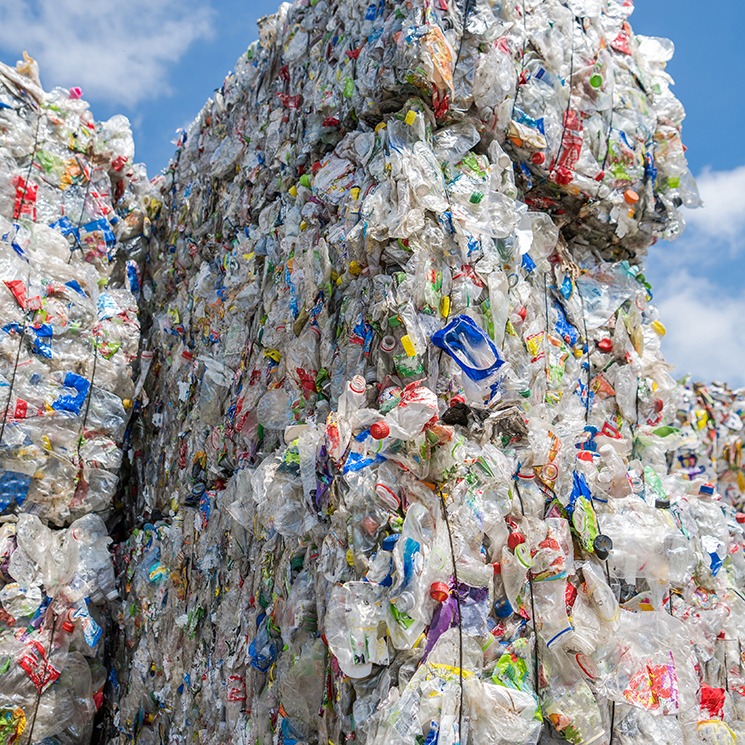
The quality of rPET bottles begins long before reprocessing. It starts with how used PET bottles are collected, handled, sorted, washed, and converted into flakes or pellets. Every stage in that chain affects the final output. For converters and brand owners, understanding this is essential because poor-quality recycled material can create challenges in preform moulding, blow moulding, clarity, colour consistency, and food-contact compliance.

Collection Quality Sets the Starting Point

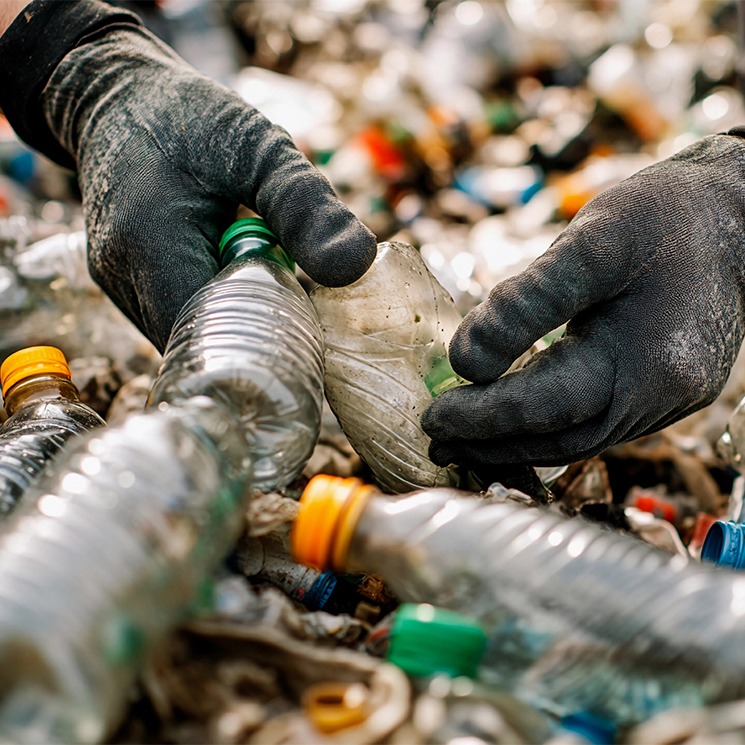
The quality of recycled PET is heavily influenced by the quality of the incoming bottle stream. If collection systems deliver PET bottles that are heavily mixed with other plastics, metal, paper, food residue, or non-recyclable waste, the recycler begins with a disadvantage. A clean, well-segregated collection stream improves both yield and final resin quality.

In practical terms, bottle-to-bottle recycling works best when PET bottles are collected with minimal contamination and sorted early in the chain. The more mixed the feedstock, the more difficult and expensive it becomes to recover high-quality material. For the recycling industry, collection efficiency is not just an environmental issue. It is the first quality control point.

Sorting Accuracy Has a Direct Impact on rPET Performance

Once collected, used PET bottles must be sorted correctly. This stage is critical because recycled PET intended for packaging cannot carry excessive contamination from PVC, polyolefins, coloured bottles, labels, caps, adhesives, or foreign materials. Even small levels of incompatible material can affect the performance of the recycled output.

Sorting technology and process discipline play a major role here. Near-infrared sorting, colour separation, metal removal, and manual quality checks all help improve feedstock purity. Clear PET bottle streams are particularly valuable because they provide greater flexibility in reprocessing and support higher quality end applications. Poor sorting, by contrast, reduces the consistency of the recycled resin and limits where it can be used.

Contamination Control Is Central to Recycled PET Quality

In bottle-to-bottle recycling, contamination is one of the biggest determinants of material quality. Contamination can come from product residue inside bottles, dirt and moisture during storage, mixed polymers, multilayer packaging, shrink sleeves, labels, adhesives, and closure components.

If these contaminants are not removed effectively, they can affect intrinsic viscosity, colour, odour, acetaldehyde levels, and process stability during remanufacturing. For converters, this may result in black specks, haze, inconsistent melt behaviour, or rejection on the production line. For food and beverage applications, contamination control becomes even more important because the recycled material must meet stricter safety and compliance expectations.

Washing and Flake Preparation Determine Process Readiness

After sorting, the bottles move into washing and size reduction. This stage is often underestimated, but it has a direct effect on the final usability of the material. Effective hot washing, friction washing, rinsing, and drying are required to remove residues, glue, paper, fines, and other surface contaminants before the PET is turned into clean flakes.

High-quality PET bottle recycling depends on producing flakes with consistent size, low moisture, low contamination, and stable bulk characteristics. Flake quality matters because it determines how the material behaves in downstream reprocessing. If the flakes are inconsistent or poorly cleaned, that problem carries forward into extrusion, pelletising, and eventually into packaging conversion.

Intrinsic Viscosity and Thermal History Must Be Managed Carefully

One of the more technical factors affecting recycled PET quality is intrinsic viscosity, often referred to as IV. In simple terms, IV influences the strength and processability of PET during remanufacturing. Used bottles go through thermal and mechanical stress during their first life and then again during recycling. If that thermal history is not managed carefully, polymer degradation can reduce performance.

This is why decontamination, drying, extrusion control, and in some cases solid-state polycondensation are so important in the rPET process. These steps help restore or stabilise material properties so that the recycled PET can be used effectively in demanding packaging applications. For converters working with preforms and bottles, IV consistency is essential for stable processing and reliable pack performance.

Colour and Clarity Depend on Feedstock Discipline

For many packaging applications, especially beverages, the visual quality of rPET matters nearly as much as its mechanical performance. The colour and clarity of recycled PET are directly affected by the input bottle mix. A stream with high levels of coloured bottles, opaque PET, additives, or degraded material will produce a less clear recycled output.

That has commercial consequences. Brand owners want packaging that supports both sustainability objectives and shelf appeal. If the recycled resin has excessive yellowness, haze, or visual inconsistency, it becomes more difficult to use in premium applications. This is why disciplined bottle collection, accurate colour sorting, and controlled reprocessing are all essential to achieving high-quality food grade rPET.

Food-Grade Applications Require Stronger Decontamination Standards

When rPET is intended for direct food or beverage contact, the quality threshold becomes significantly higher. The recycling process must demonstrate that potential contaminants have been effectively removed and that the final material is suitable for safe use in packaging.

This requires more than standard mechanical recycling. It requires a controlled bottle-to-bottle process with validated decontamination, traceable input streams, and strict operating parameters. For packaging manufacturers, this is a critical point. Not all recycled PET is equal, and not every recycled stream is suitable for food-contact use. The ability to produce high-quality rPET from used PET bottles depends on both feedstock quality and process capability.

Reprocessing Quality Determines End-Use Value

The final stage is reprocessing the cleaned PET into usable raw material, typically flakes or pellets, for conversion into new packaging. At this point, the material must deliver consistency in melt behaviour, moisture control, colour profile, and contaminant limits. If it does, it can support reliable use in bottle to bottle recycling and other packaging formats. If it does not, its value drops and its application range becomes more limited.

For the industry, this is where the economics of recycling become clear. Higher quality input and stronger process control create a better recycled output, and better output supports higher-value end uses. In that sense, recycled PET quality is not determined by one machine or one stage alone. It is the result of discipline across the entire chain.

Conclusion

The quality of recycled PET made from used bottles is shaped by every step from collection to reprocessing. Clean collection streams, accurate sorting, effective contamination removal, strong washing systems, controlled IV management, and validated decontamination all play a role in determining whether rPET can perform in new packaging applications.

For brand owners, converters, and recyclers, the lesson is straightforward. High-quality rPET does not happen by default. It is built through system control, process consistency, and a clear understanding of what bottle-to-bottle recycling requires. As the market expects more recycled content in packaging, the companies that will lead are the ones that focus not only on quantity of recycled material, but on the quality that makes it commercially and technically viable.

How rPET Integration Changes Packaging Decisions for Brands and Converters

Recycled content is now a central part of packaging strategy. Across the plastics and packaging industry, rPET integration is influencing how brands develop packaging specifications, how converters manage production, and how manufacturers position themselves in a market that expects both performance and accountability. What was once treated as a sustainability initiative is now a serious business decision with implications for cost, compliance, material planning, and operational execution.

For brands, the shift towards recycled PET packaging is changing procurement priorities. For converters, it is redefining process control, resin selection, and quality assurance standards. The conversation is no longer limited to whether recycled content can be used. It is now about how to integrate it reliably at scale without compromising line efficiency, pack integrity, or product presentation.

rPET Integration Starts at the Specification Stage

The first impact of rPET integration is seen in the packaging brief itself. Historically, brands focused on pack weight, visual appeal, filling compatibility, and shelf performance. Today, those requirements are being assessed alongside recycled content targets, recyclability criteria, and broader sustainability commitments.

This is changing the way packaging decisions are made. Procurement teams are not simply comparing quoted prices. They are evaluating whether a supplier can support consistent rPET integration across production runs, maintain acceptable visual standards, and deliver packaging that performs in real operating conditions. In other words, sustainability is now being assessed through an operational lens.

Recycled PET Packaging Must Still Perform Like Packaging

No brand can afford to treat packaging as a sustainability statement alone. Whether the application is water, dairy, edible oil, personal care, or household products, the pack still has to deliver on the fundamentals. It must run efficiently on filling lines, withstand handling and distribution, protect product quality, and meet consumer expectations on appearance and functionality.

This is where recycled PET packaging becomes a more technical decision. Introducing recycled content affects material behaviour, and that has a knock-on effect on preform conversion, bottle performance, and overall process stability. If the packaging underperforms, sustainability gains are quickly offset by rejection rates, downtime, and customer complaints. That is why brands increasingly value suppliers who understand both sustainability targets and industrial performance.

Why rPET Changes the Converter’s Process Window

From a converter’s perspective, rPET is not a like-for-like substitute for virgin resin. It introduces greater sensitivity into the manufacturing process. Variations in intrinsic viscosity, moisture content, contamination levels, and colour profile can all affect moulding consistency and downstream bottle conversion.

That means tighter process discipline is required. Resin drying becomes more critical. Incoming material checks need to be more robust. Injection moulding parameters must be monitored more closely. Blow moulding conditions often need finer calibration to maintain dimensional accuracy and visual quality. In practical terms, rPET integration raises the technical threshold for stable production.

This is particularly important in high-throughput environments where even minor variation can have a measurable impact on efficiency. Converters that work with recycled content successfully tend to invest more heavily in process control, quality systems, and material traceability.

PET Preforms Become Even More Important in an rPET Model

The role of PET preforms becomes more strategic when recycled content is introduced. Any inconsistency in the preform stage is likely to become more visible during bottle blowing and filling. Neck finish accuracy, wall distribution, gate quality, and dimensional consistency all have a direct bearing on performance downstream.

For brands, this means preform quality cannot be treated as a commodity issue. A well-engineered preform supports blowing stability, reduces line losses, and improves final pack performance. For converters, it provides a stronger platform for working with more variable raw material inputs. This is one reason why packaging buyers are paying closer attention to the technical capability of preform suppliers, especially when they are evaluating sustainable packaging options.

Packaging Design Has to Work Within a Circular System

rPET integration is also changing design priorities. In many cases, it encourages more practical and system-aware packaging development. Brands are giving greater importance to bottle geometries that convert efficiently, colour choices that do not disrupt recycling streams, and packaging formats that remain compatible with established recovery systems.

This is a positive development. Recyclable packaging performs better when recycling considerations are built into the pack design from the outset. Clear PET, compatible labels, appropriate closure systems, and simplified material combinations can all improve the likelihood of effective recovery and reprocessing. As the industry moves towards more circular packaging models, design decisions need to reflect not only brand requirements, but also end-of-life value.

Supply Planning Matters as Much as Sustainability Ambition

One of the most overlooked aspects of rPET integration is supply continuity. Brands may set recycled content targets, but those targets are only meaningful if converters and manufacturers can access suitable material with consistency. The availability, quality, and food-contact suitability of rPET can vary across markets, and price volatility remains a commercial concern.

This is where packaging manufacturers and converters need to take a longer-term view. rPET integration works best when it is backed by a clear sourcing strategy, dependable supplier relationships, and realistic production planning. It should not be approached as a one-off response to market pressure. It needs to be built into the packaging programme as a structured capability.

Compliance and Credibility Are Now Commercial Requirements

There is increasing scrutiny around packaging claims. Regulators, institutional buyers, and end consumers all expect greater clarity around material use, recyclability, and environmental positioning. As a result, brands need partners who can support rPET integration with credibility.

That includes traceable sourcing, appropriate documentation, and realistic claims about recycled content performance. Overstatement creates risk. Measured execution builds confidence. In the current market, credibility has commercial value. A supplier that can combine technical performance with transparent sustainability practice is far better placed than one relying on broad claims with limited operational substance.

rPET Integration Is Shifting the Basis of Packaging Decisions

The biggest change brought by rPET integration is not only material substitution. It is a shift in decision-making criteria. Packaging is now being evaluated across a broader set of parameters that include convertibility, line efficiency, recyclability, compliance, material security, and long-term brand responsibility.

For converters, this creates pressure to raise technical standards. For brands, it creates a need to assess packaging partners more carefully. The most competitive suppliers are no longer those offering only basic volume and price. They are the ones that can deliver recycled PET packaging with consistency, quality assurance, and process reliability.

Conclusion

rPET integration is reshaping the packaging industry at both strategic and operational levels. It is changing how packaging is specified, how materials are sourced, how preforms are designed, and how converters manage production. For brands, it is becoming a core part of responsible packaging strategy. For converters and manufacturers, it is an opportunity to move beyond commodity supply and deliver greater technical value.

The companies that will lead in this space are those that treat sustainable packaging as an engineered outcome. That means aligning material strategy, production control, design discipline, and supply resilience. In a market that expects both performance and progress, rPET integration is no longer optional. It is becoming a defining factor in how packaging decisions are made.

Direct-to-Container Branding: Rethinking Labels in Sustainable Beverage Packaging

The beverage industry is under increasing pressure to reduce material use while maintaining strong brand visibility and regulatory compliance. As sustainability expectations grow, brands are exploring alternatives to traditional labelling, with direct-to-container branding emerging as a viable solution. This approach shifts how packaging is designed, produced, and recycled, offering both opportunities and operational challenges.

Moving Beyond Conventional Labels

Labels have long played a central role in packaging, carrying branding, product information, and compliance details. However, they often introduce complexity into recycling systems due to the use of mixed materials, adhesives, and inks. This can affect material recovery rates and reduce the overall efficiency of recycling processes.

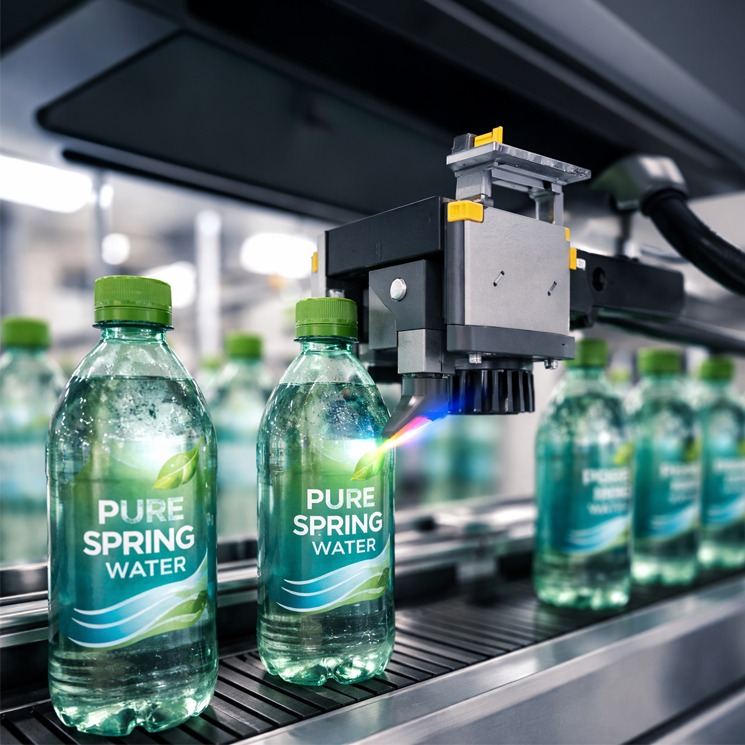
Direct-to-container branding addresses this issue by eliminating labels altogether. Instead, information is applied directly onto the surface of PET, HDPE, or glass containers using technologies such as laser coding or inkjet printing. This simplifies the packaging structure and supports improved recyclability by reducing material variation.

Balancing Sustainability and Brand Visibility

One of the key considerations in adopting label-free packaging is maintaining brand identity. Labels have traditionally served as the primary medium for visual communication, and removing them requires a different design approach.

Brands are responding by using embossed logos, engraved details, and coloured closures to retain recognition without relying on additional materials. These approaches demonstrate that visibility and sustainability can be aligned, provided packaging is designed with both objectives in mind.

At the same time, direct coding technologies allow for the inclusion of regulatory and traceability information without compromising compliance requirements. This ensures that functionality is maintained even as material usage is reduced.

Operational and Technical Considerations

While the concept is straightforward, implementation presents several technical challenges. Achieving consistent print quality and legibility on PET surfaces, particularly under conditions such as condensation, remains a concern. High-speed production environments also require precise and reliable coding systems capable of operating at scale.

These factors influence the pace at which label-free packaging can be adopted. Manufacturers must ensure that new systems integrate seamlessly with existing production lines while maintaining output efficiency and product quality.

Opportunities for Innovation

Despite these challenges, direct-to-container branding presents a clear opportunity for innovation. Hybrid approaches, where partial labelling is combined with direct coding, are already being explored as a transitional step. These solutions reduce material use while allowing brands to adapt gradually to new formats.

Over time, advancements in coding technology are expected to enable greater flexibility in design, improved visual quality, and enhanced functionality. Digital tools such as smart QR codes and watermarks can further extend the role of packaging, supporting traceability and consumer engagement without adding physical materials.

Long-Term Impact on Packaging Strategy

The shift towards label-free packaging reflects a broader change in how sustainability is approached within the industry. It moves the focus from incremental improvements to more fundamental design changes that affect the entire lifecycle of the product.

Reducing reliance on labels can lower carbon emissions, simplify recycling, and reduce manufacturing costs in the long term. At the same time, it requires brands to rethink how they communicate and differentiate their products in the market.

Looking Ahead

Direct-to-container branding is still evolving, but the direction is clear. As regulatory requirements tighten and sustainability targets become more defined, packaging formats that reduce complexity and improve recyclability will gain traction.

For brand owners, the decision is not only about compliance but also about positioning. Early adoption can support stronger sustainability credentials and demonstrate a commitment to practical, scalable solutions. As the technology matures, label-free packaging has the potential to become a standard rather than an exception in beverage packaging.

How PET Preform Design Affects Filling Line Efficiency

In high-volume beverage and liquid packaging, filling line efficiency depends on more than machine speed. It is also shaped by the consistency and design of the PET preform moving through the line. A preform that looks acceptable on paper can still create issues during blowing, filling, capping, and downstream handling if the design is not aligned with production conditions.

For brands and bottlers, this matters because even small variations can lead to unstable processing, higher rejection rates, unnecessary downtime, and avoidable material loss. PET preform design is not only about achieving the final bottle shape. It plays a direct role in how smoothly the entire packaging line performs.

Why preform design matters on the line

A PET preform is the starting point of the bottle-making process. Its dimensions, neck finish, wall distribution, weight, and resin behaviour all influence how the bottle forms and how it behaves once it reaches the filling line.

When preforms are designed correctly, they support stable blowing, consistent bottle performance, accurate filling, and reliable capping. When the design is poorly matched to the application, bottlers often face recurring problems such as bottle distortion, inconsistent neck dimensions, cap leakage, line jams, and product rejection.

In fast-moving operations, these issues quickly affect output.

Neck finish accuracy and capping performance

One of the most important areas in preform design is the neck finish. This section must remain dimensionally precise because it directly affects cap fit, sealing integrity, and torque consistency.

If the neck finish varies even slightly, the capping system can struggle to apply closures correctly. This may result in loose caps, over-torquing, leakage, or bottles being rejected during quality checks. In sectors such as water, edible oil, dairy, and pharmaceuticals, sealing performance is critical not only for line efficiency but also for product safety and shelf life.

Consistent neck finish design helps maintain reliable cap application at high speed and reduces stoppages linked to closure-related faults.

Material distribution affects bottle stability

Preform design also determines how material is distributed once the bottle is blown. This affects the bottle’s strength, base performance, panel stability, and resistance to deformation.

If material distribution is uneven, the bottle may become weak in key areas. On a filling line, that can create problems such as bottle wobble, collapse under pressure, poor conveyor movement, or distortion during filling and capping. Lightweight bottles are especially sensitive to this, because the balance between resin reduction and structural performance has to be carefully managed.

A well-designed preform ensures the final bottle has enough strength where it is needed, without creating unnecessary material usage.

Blowing consistency supports downstream efficiency

Filling line performance begins before the product enters the bottle. If the preform does not heat evenly or stretch correctly during blowing, the resulting bottles may vary in shape, thickness, or clarity. That inconsistency affects everything that follows.

Bottles with poor dimensional control may not sit properly on conveyors, may misalign in fillers, or may fail during capping. In automated lines, these variations can reduce speed and increase intervention from machine operators.

Preforms designed for stable thermal behaviour and repeatable blowing performance help create uniform bottles, which in turn support smoother downstream processing.

Weight optimisation must not compromise performance

Many brands aim to reduce packaging weight to lower resin consumption and improve cost efficiency. While this is a valid objective, excessive lightweighting can create line performance issues if the preform is not properly re-engineered.

A preform with insufficient structural support may lead to bottles that flex too easily during rinsing, filling, or transport through the line. This can reduce line speed and increase handling problems. Weight optimisation must be supported by sound design, proper testing, and an understanding of the actual filling environment.

The most effective preforms are not simply lighter. They are designed to use material efficiently while still delivering reliable performance.

Gate quality and appearance control

The gate area at the base of the preform also matters more than many people realise. Poor gate design or inconsistent gate finishing can influence bottle formation, visual quality, and even stress distribution.

On fast lines, any variation that affects bottle uniformity can contribute to rejection or operational inefficiency. For premium packaging formats, appearance is also part of performance. A bottle that fills correctly but looks inconsistent still creates a commercial problem.

Preform design must therefore support both process stability and final pack quality.

Matching the preform to the product category

Different products place different demands on a PET bottle, which means the preform design must be tailored accordingly. A water bottle, a carbonated soft drink bottle, an edible oil container, and a pharma pack do not require the same design logic.

For example, carbonated beverages need pressure resistance, while edible oil packaging may require better panel strength and controlled pouring performance. Dairy and sensitive liquid applications may place more emphasis on barrier properties, hygiene standards, and hot-fill or warm-fill considerations where relevant.

Using a standard preform across multiple applications may seem efficient, but it often limits performance. A preform designed for the actual product, bottle format, and line conditions usually delivers better operational results.

Consistency is just as important as design

Even a strong design will not perform well if manufacturing consistency is poor. Filling line efficiency depends on receiving preforms that are uniform from batch to batch. Variation in weight, dimensions, moisture control, or resin quality can disrupt blowing performance and bottle handling.

This is why preform quality control is closely linked to line productivity. Reliable supply, tight tolerances, and repeatable manufacturing standards help bottlers maintain output without frequent adjustments.

The wider business impact

When preform design supports line efficiency, the benefits go beyond production metrics. Businesses can see lower rejection rates, reduced downtime, better closure performance, improved bottle integrity, and more predictable output. Over time, this improves cost control and helps maintain packaging quality in the market.

In contrast, poorly optimised preforms can increase hidden costs across the operation. These include machine stoppages, wasted product, excess operator intervention, and customer complaints linked to leakage or bottle failure.

Final thoughts

PET preform design has a direct effect on filling line efficiency because it shapes how the bottle performs at every stage of processing. From blowing consistency and neck finish accuracy to structural strength and capping reliability, the design of the preform influences both operational speed and pack quality.

For packaging operations focused on scale, consistency, and cost control, the right preform is not a minor component. It is a critical part of line performance. Businesses that invest in well-engineered, application-specific PET preforms are better placed to improve productivity and reduce avoidable losses across the packaging cycle.

India’s 40% Recycled PET Mandate Signals a Structural Shift in Food-Grade Packaging

India is entering a more decisive phase in its plastics circularity roadmap with the introduction of a 40% recycled content requirement for food-grade PET packaging from April 2026. The mandate, issued by the Ministry of Environment, Forest and Climate Change, marks a significant escalation in regulatory expectations and sets a clear direction for how packaging materials will be sourced and processed going forward.

Strengthening the Role of Recycled PET

The move is designed to accelerate the adoption of recycled PET across food and beverage packaging, while reducing dependence on virgin material. Industry bodies, including the Association of PET Recyclers Bharat, have indicated that the mandate could help stabilise supply chains that have recently been affected by geopolitical volatility and fluctuations in raw material availability.

By formalising demand for recycled content at scale, the regulation is expected to create a more predictable market for rPET, encouraging both capacity expansion and long-term investment in recycling infrastructure.

Clear Targets with Transitional Flexibility

The 40% requirement applies to the 2026–27 period, building on earlier targets of 30% for the previous year. Importantly, the policy includes provisions that allow companies to carry forward shortfalls for up to three years, with structured compliance requirements to close these gaps progressively.

This approach reflects a balance between regulatory enforcement and operational reality, giving producers time to align sourcing, processing, and production systems with the new standards.

Capacity Expansion Already Underway

India’s recycling ecosystem has begun responding to these requirements with measurable investment. According to industry estimates, 15 to 18 food-grade rPET facilities have been established, with a combined processing capacity of approximately 300,000 metric tonnes. These developments represent investments in the range of ₹9,000 to ₹10,000 crore, indicating strong alignment between policy direction and industry response.

In parallel, regulatory approvals have enabled additional capacity to come online, with multiple facilities meeting international safety standards for food-grade recycled materials. This is critical for ensuring that recycled content can be used in high-compliance applications without compromising quality or safety.

Implications for the Packaging Value Chain

For brand owners, converters, and packaging manufacturers, the mandate introduces a more structured requirement to integrate recycled content into production at scale. This will require tighter coordination across sourcing, processing, and manufacturing stages.

It also shifts the focus from voluntary sustainability commitments to measurable compliance. Companies will need to demonstrate not only intent but also the ability to secure consistent volumes of high-quality recycled material that meets food-grade specifications.

At the same time, increased demand for rPET is expected to strengthen the domestic recycling market, supporting collection systems, improving material recovery rates, and reducing plastic leakage into the environment.

Looking Ahead

India’s 40% recycled PET mandate represents a clear move towards a more circular packaging economy. The policy establishes both a target and a framework for execution, signalling that recycled content will play a central role in the future of packaging.

The next phase will depend on how effectively the industry can scale supply, maintain material quality, and integrate recycled content into mainstream production. With capacity expansion already underway and regulatory clarity in place, the foundation has been set. Execution will determine how quickly the system delivers on its intended outcomes.